
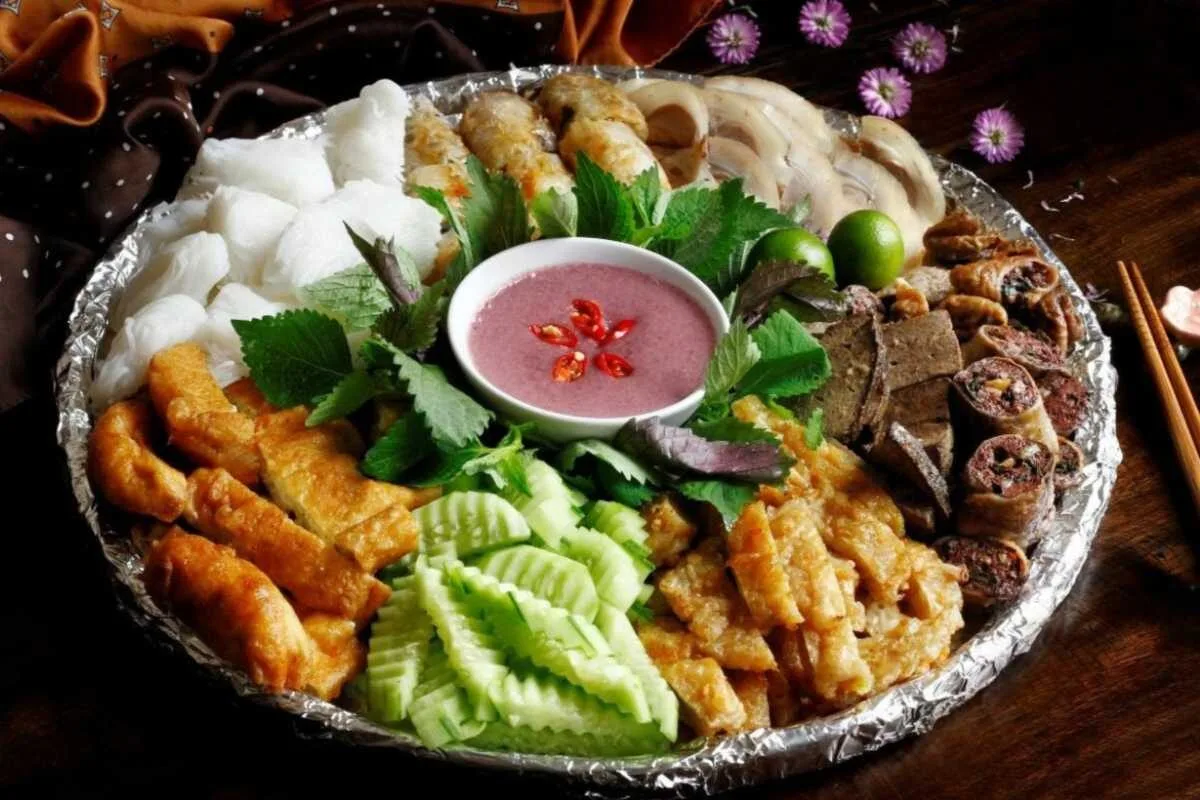
Hanoi’s bun dau mam tom, a dish of rice vermicelli served with fried tofu, fresh herbs, and fermented shrimp paste. It is one of Hanoi’s most iconic dishes, representing the subtle elegance of Vietnamese cuisine. It is made from simple ingredients such as rice vermicelli (bun), golden fried tofu, fresh herbs, and mam tom (fermented shrimp paste)—a dipping sauce with a very distinctive flavor. Despite its humble appearance, the harmonious combination of these elements creates a unique taste experience that is both rich and refreshing.
Origins
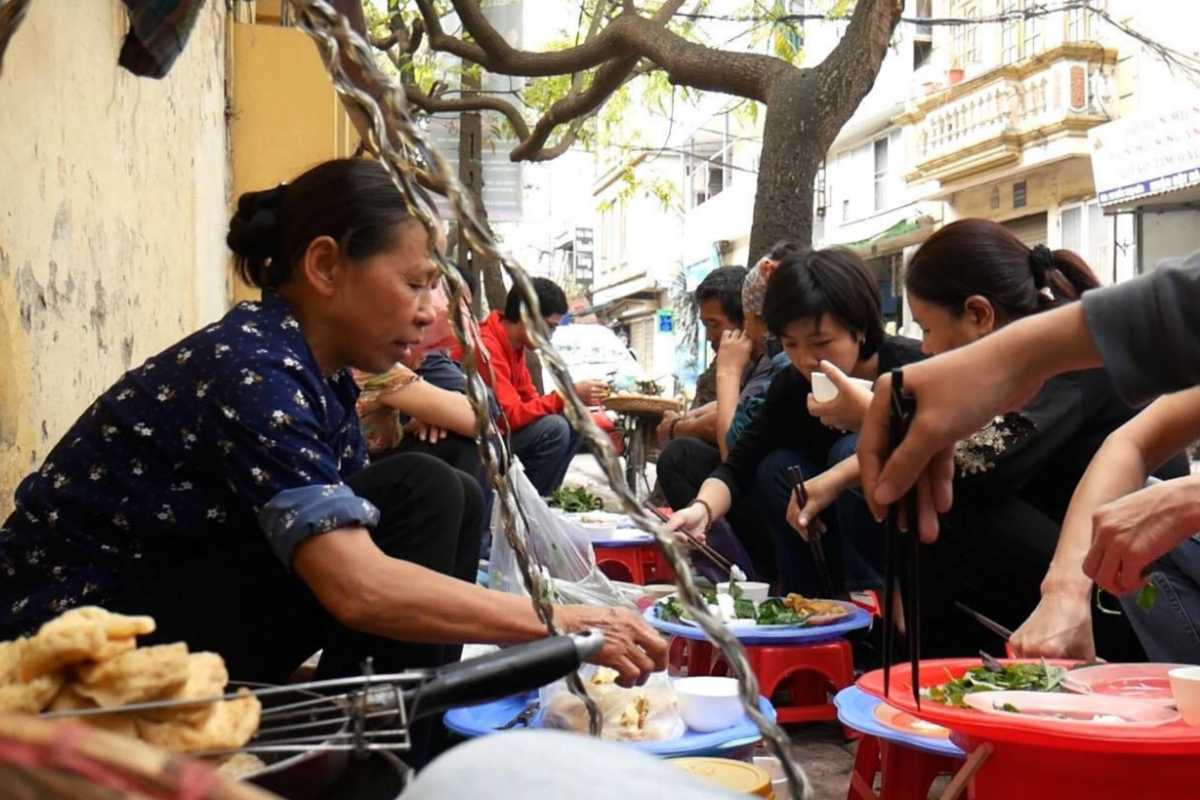
Bun dau mam tom dates back to the early 20th century and is closely associated with the daily life of Hanoi’s working-class people. At that time, it was mainly sold by street vendors carrying shoulder poles through narrow streets. With inexpensive, easy-to-find ingredients and quick preparation, the dish became a familiar choice for simple meals. Yet behind that simplicity lies a refined balance of flavors that clearly reflects the characteristics of Northern Vietnamese cuisine.
 If the idea of egg blended with coffee once felt unusual but turned into a surprisingly smooth and memorable experience, then bun dau mam tom in Hanoi takes that sense of contrast even further. This dish pairs simple elements like rice vermicelli, fried tofu, and fresh herbs with fermented shrimp paste — an ingredient known for its strong aroma and bold character. At first, it may seem challenging, but just like egg coffee, it is precisely this unexpected combination that creates a deeply distinctive and unforgettable taste, inviting travelers to explore a more adventurous side of Vietnamese cuisine.
Development Over Time
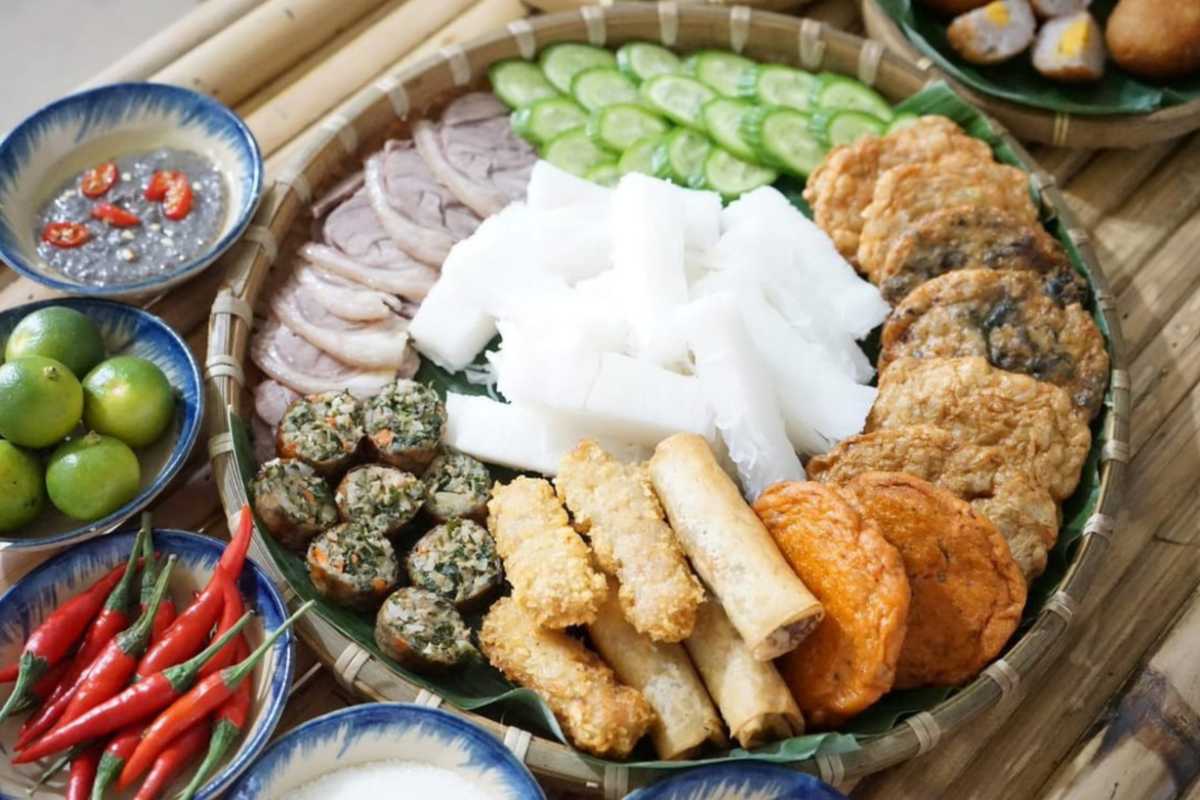
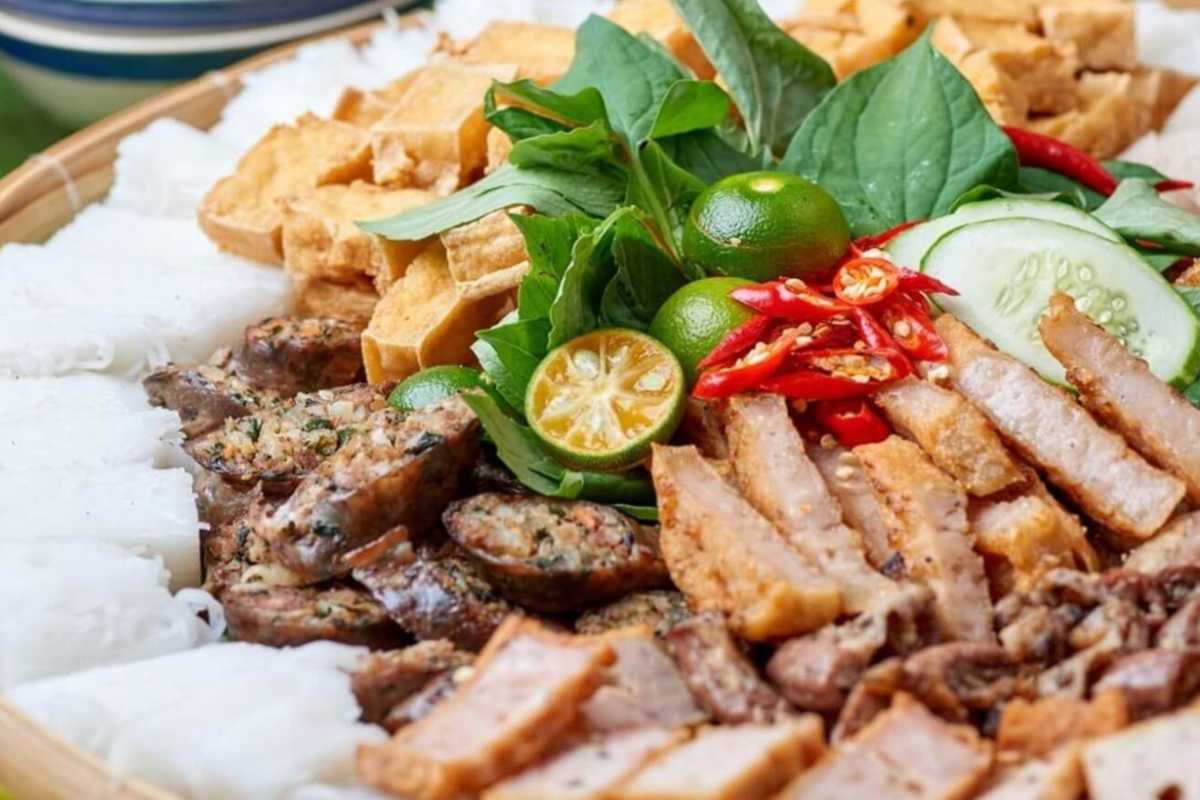
Over time, bun dau mam tom has evolved and become more diverse. What once was just a tray of vermicelli and tofu has expanded to include additional toppings such as boiled pork, green rice pork patties (cha com), fried spring rolls (nem ran), and pork sausage (doi).
 The dish gradually moved from sidewalk stalls into restaurants and eateries. Today, it is widely available across Vietnam and introduced to international visitors as a signature Hanoi specialty—while still maintaining its traditional presentation on a bamboo tray (met tre).
Mam Tom – The Soul and a “Taste Challenge”
The defining element of bun dau mam tom is mam tom, a fermented shrimp paste made from tiny shrimp. The natural fermentation process gives it a distinctive purple color and a strong aroma, which can be challenging for first-time eaters. However, this bold flavor is what gives the dish its depth. When prepared properly, mam tom is whipped with lime or kumquat juice, mixed with sugar, chili, and sometimes hot oil. This creates a more balanced flavor profile—salty, slightly sour, mildly sweet, and a bit rich. Notably, it delivers a strong sense of umami, the deep savory taste commonly found in fermented foods.
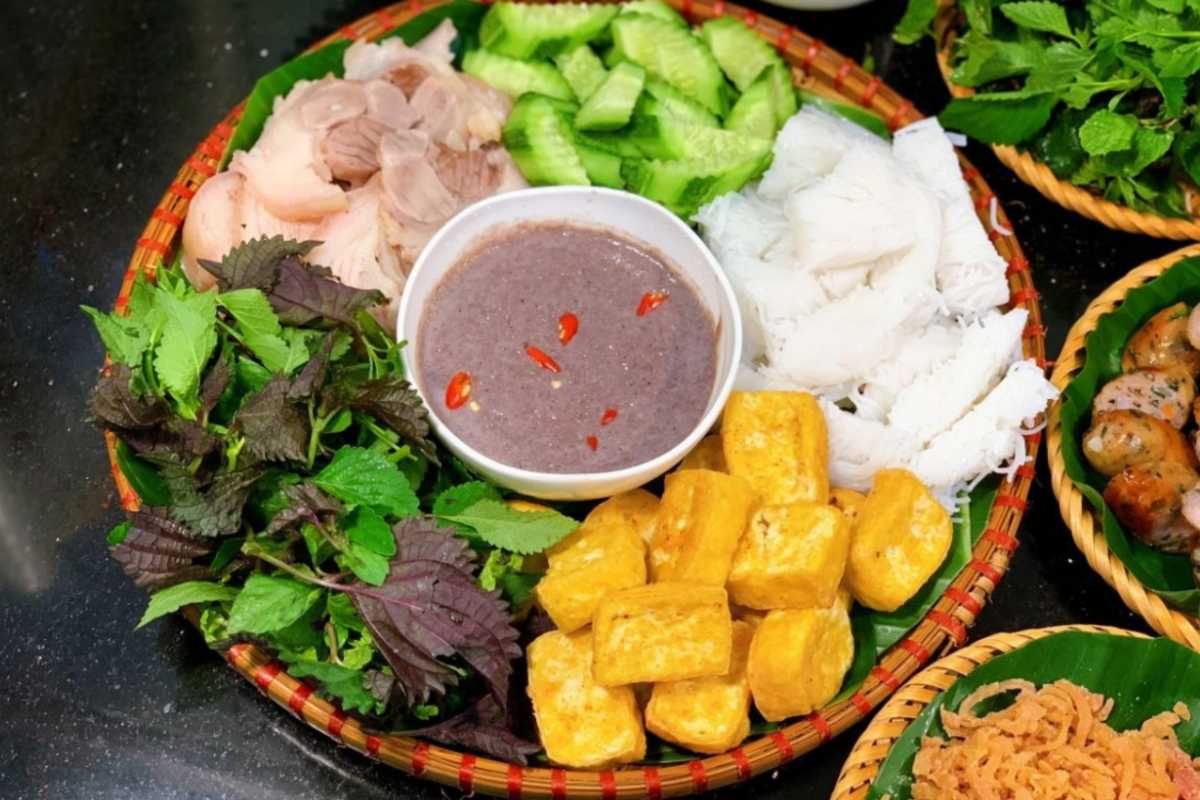 For many international visitors, mam tom is both intriguing and intimidating. The initial smell can be surprising, but once they move past that first impression, many become fascinated by its complexity and uniqueness—something rarely found in other cuisines around the world. This is what makes bun dau mam tom not just a dish, but a true culinary adventure.
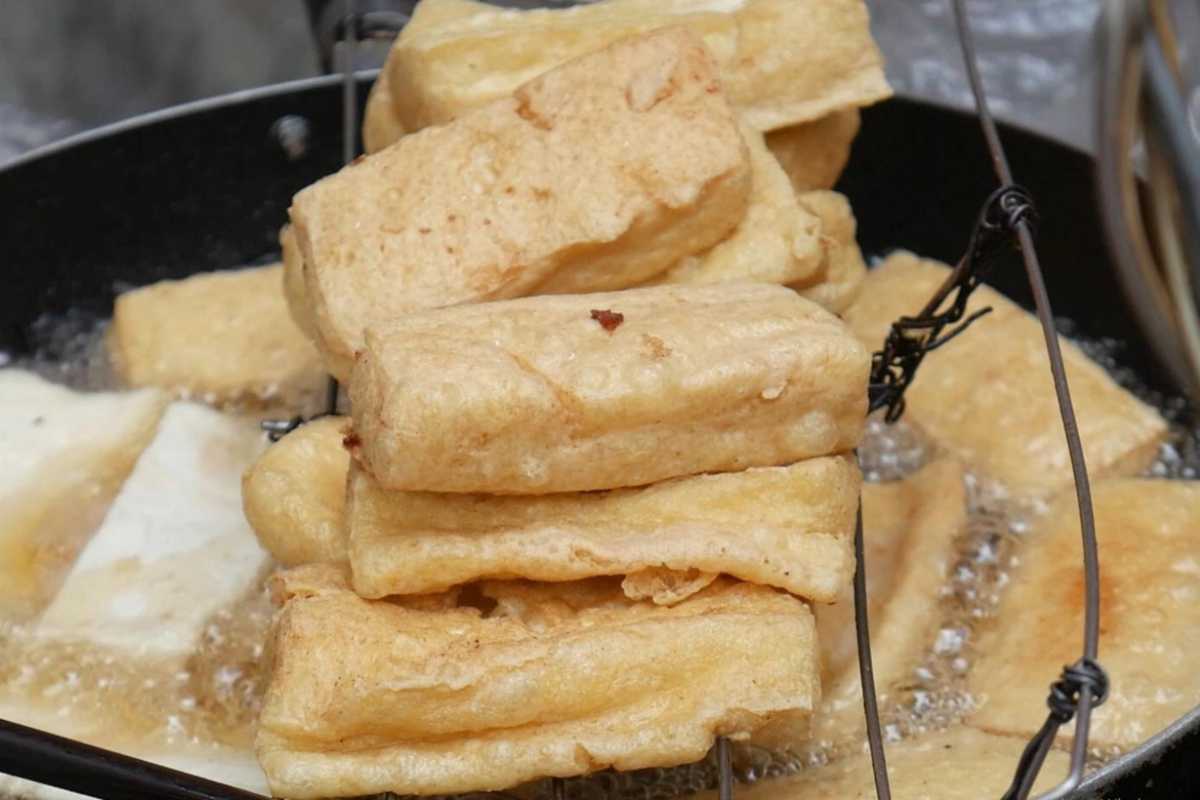 Bun dau mam tom is more than just food—it carries significant cultural meaning. The dish reflects a very Vietnamese philosophy: simplicity with refinement. Basic ingredients are combined to create a harmonious whole. Sitting together around a shared bamboo tray also highlights the communal nature of Vietnamese dining and the sense of connection in everyday meals. At the same time, the use of mam tom—a selective, acquired taste—demonstrates the diversity and depth of Vietnamese culinary culture.