
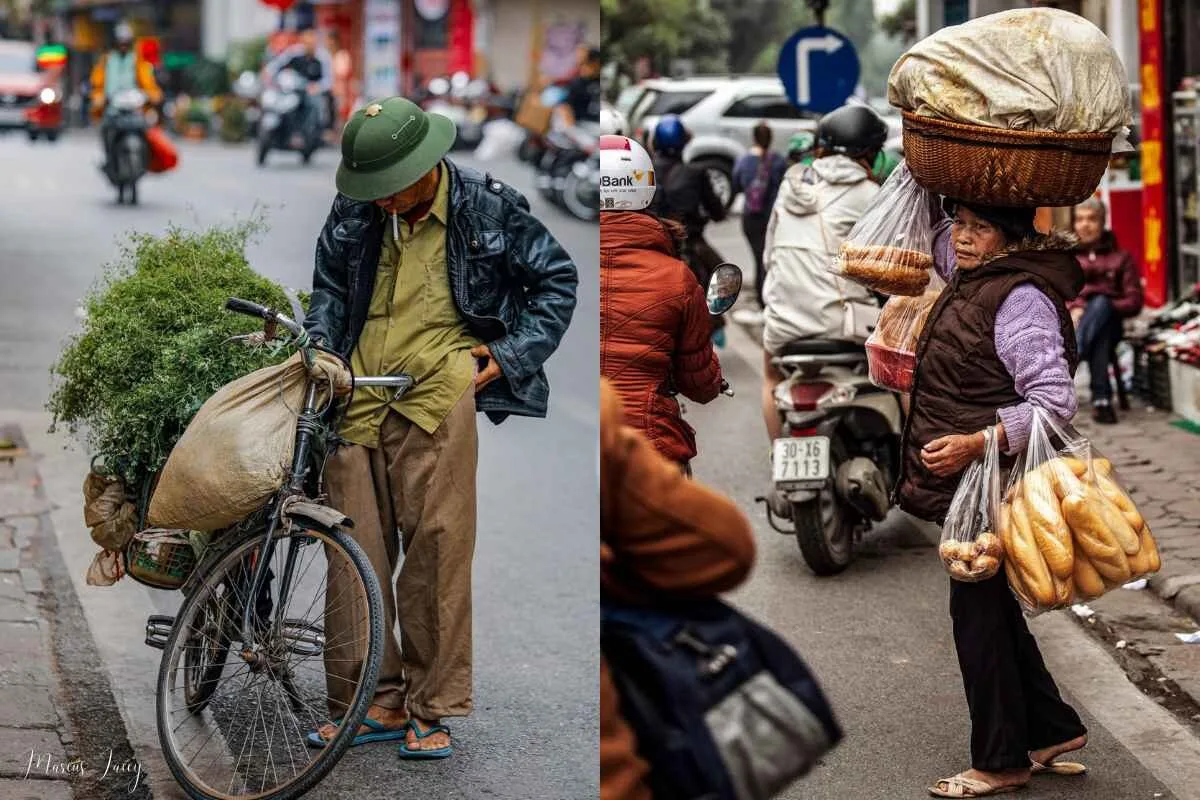
When people think of Hanoi, they often picture ancient streets, peaceful lakes, or the nostalgic beauty of old French architecture. But for many locals, the true spirit of the city lives in something far more ordinary: the sounds of street vendors calling out at dawn, bicycles carrying baskets of flowers, and steaming sticky rice sold on small street corners. These street vendors are not simply part of local commerce — they are an essential part of Hanoi’s cultural identity and daily life.
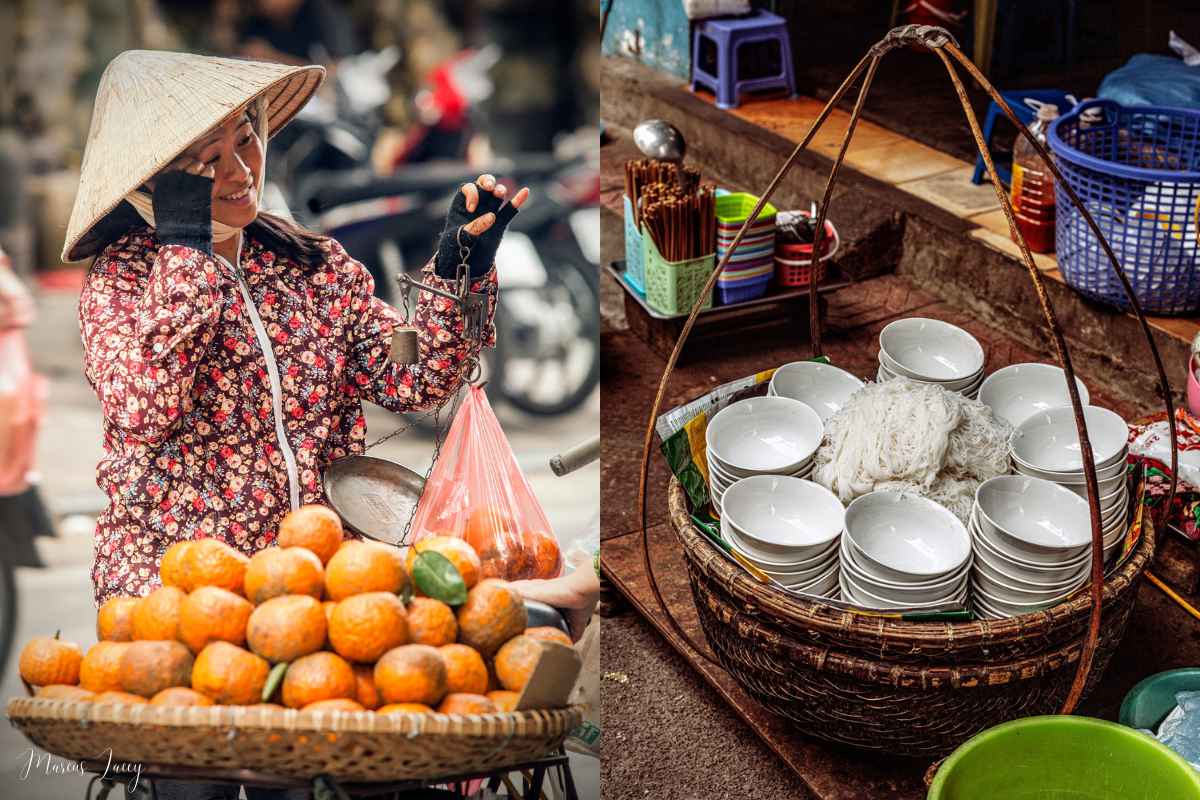 Even as the city becomes more modern, street vendors continue to appear in every alley and neighborhood. From breakfast stalls and seasonal fruits to flower bicycles wandering through the streets, they create a version of Hanoi that feels warm, authentic, and deeply human.
Street Vendors – The Familiar Rhythm of Hanoi
Few cities in the world embrace street vending the way Hanoi does. Early in the morning, quiet streets slowly wake up to the voices of vendors selling sticky rice, steamed rice cakes, or traditional Vietnamese breakfast dishes. By noon, fruit vendors carrying guavas, plums, and other seasonal fruits begin filling the sidewalks. In the afternoon, bicycles overloaded with white daisies, asters, or lotus flowers move gently through the old streets.
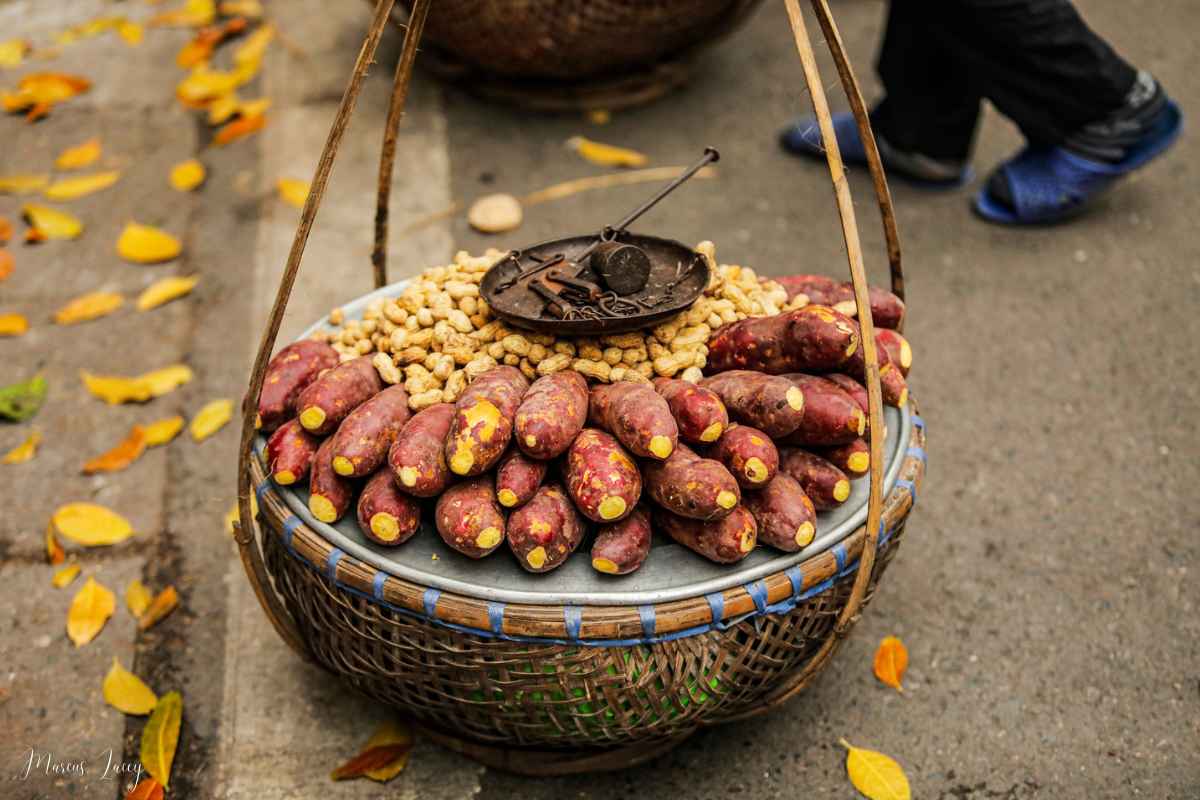
In Hanoi, almost anything can be sold on the street. Beyond food and fruit, visitors can easily find mobile tea stalls, roadside barbers, key repair services, household goods, and even scrap collectors. These scenes exist so naturally within the city that they have become part of Hanoi’s identity. Locals are used to stopping by the roadside for a quick breakfast or buying fresh fruit without ever entering a modern store.
Street vending in Hanoi is therefore much more than business. It reflects the rhythm of the city itself. The sounds of bicycle wheels, the balancing bamboo shoulder poles, and the familiar street calls all contribute to a cultural atmosphere that few places still preserve today.
Hanoi Through the Sounds, Smells, and Memories of Street Vendors
For many people who grew up in Hanoi, childhood memories are closely connected to the sounds of street vendors echoing through the streets in the early morning or late at night. Simple calls such as “Hot steamed buns!” or “Sticky rice here!” have become part of the emotional soundtrack of the city. These voices do not merely advertise food — they create a sense of warmth and familiarity unique to Hanoi.
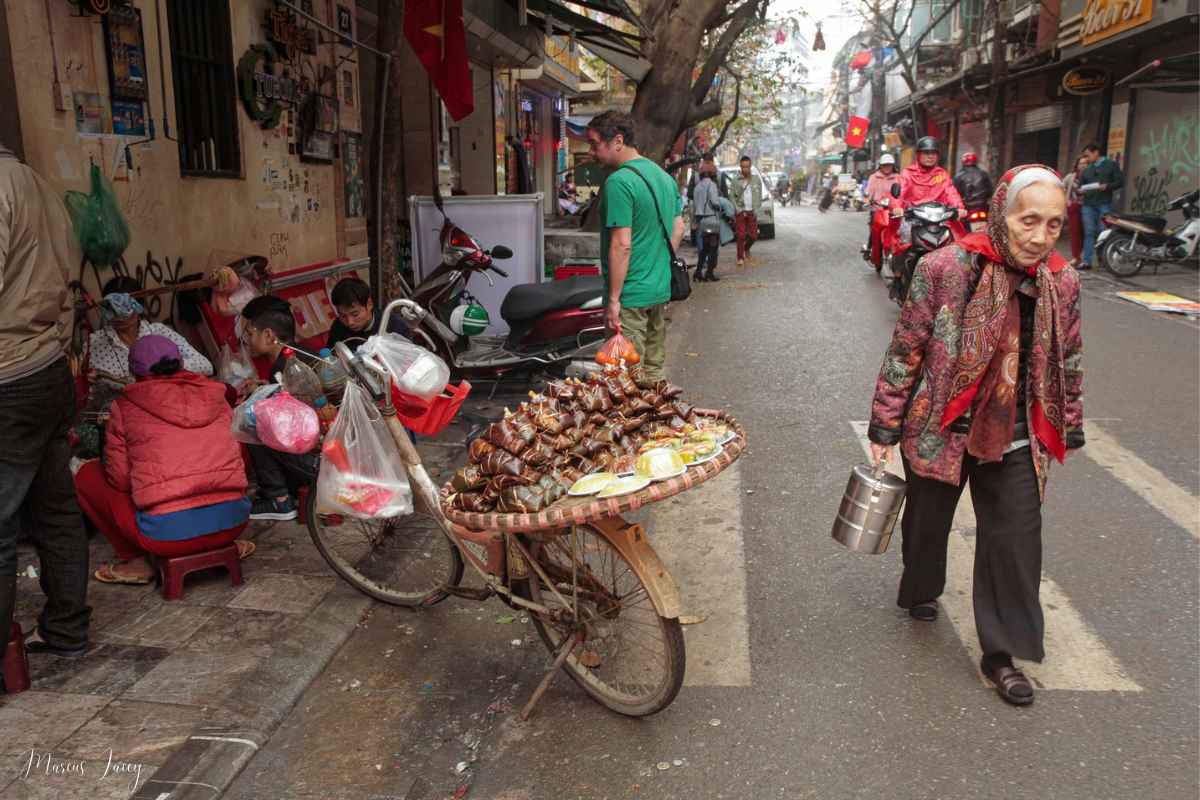
Together with the sounds come unforgettable aromas. There is the rich smell of “pho” noodle soup from small street-side stalls on cold mornings, the gentle fragrance of young green rice in autumn, and the delicate scent of lotus flowers carried across the city during summer. Hanoi does not need luxury to leave an impression on visitors. Sometimes, a simple roadside vendor is enough to make people slow down and truly experience the city.
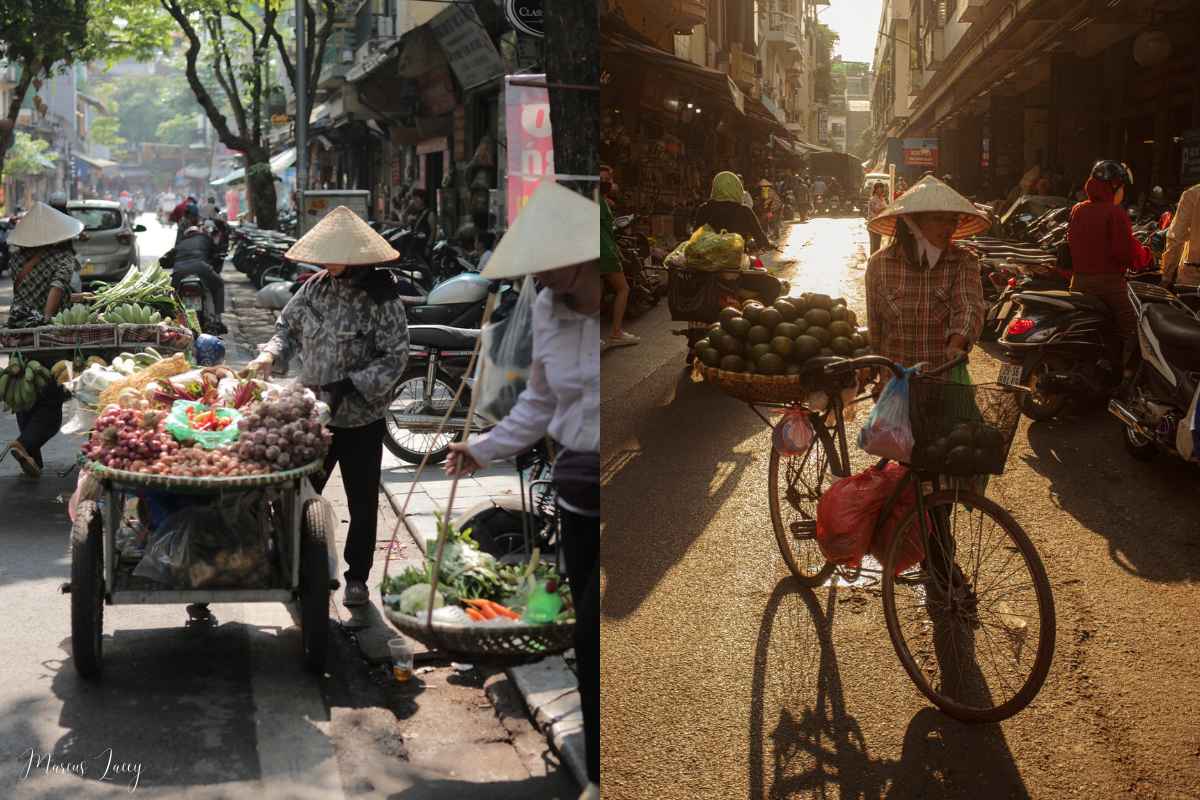
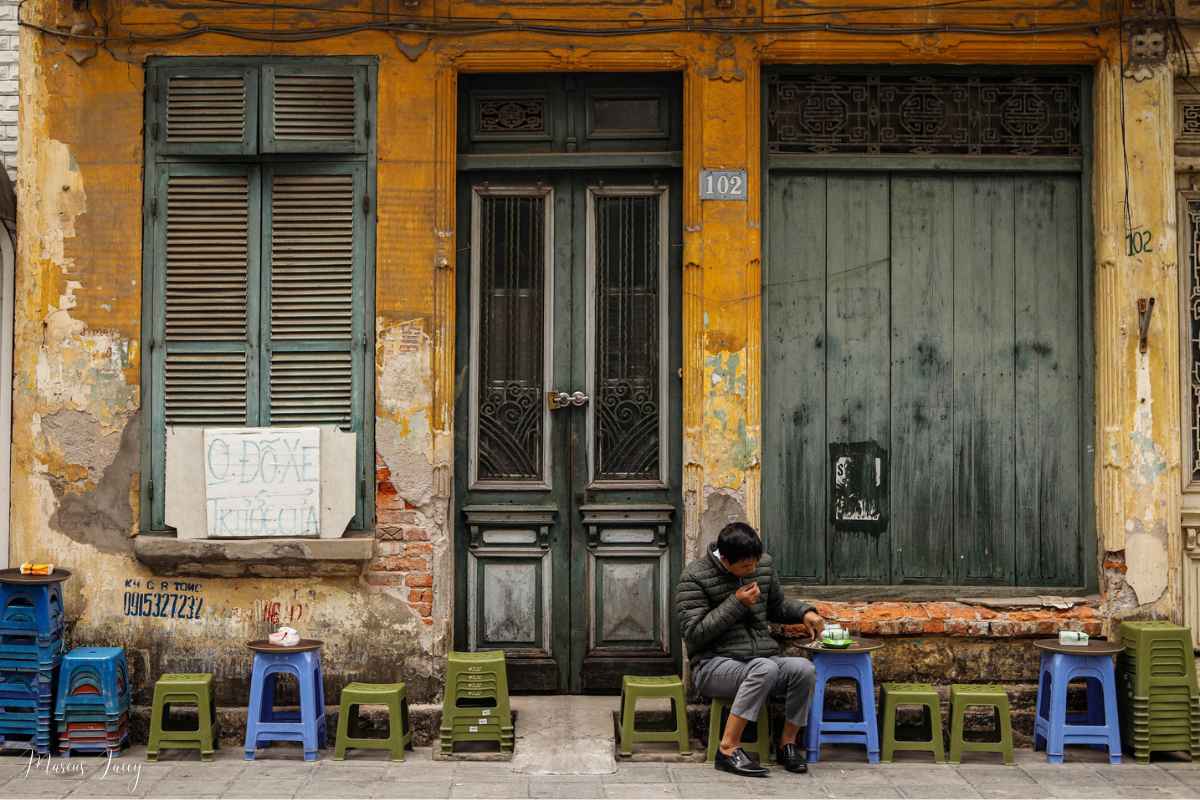
Even today, despite rapid urban development, many Hanoians still enjoy sitting on small plastic stools by the sidewalk, drinking iced tea, or buying snacks from street vendors. These ordinary moments hold memories, tradition, and the human connection that define Hanoi. Street vendors survive not only because they provide affordable food and services, but because they remain part of the soul of the city
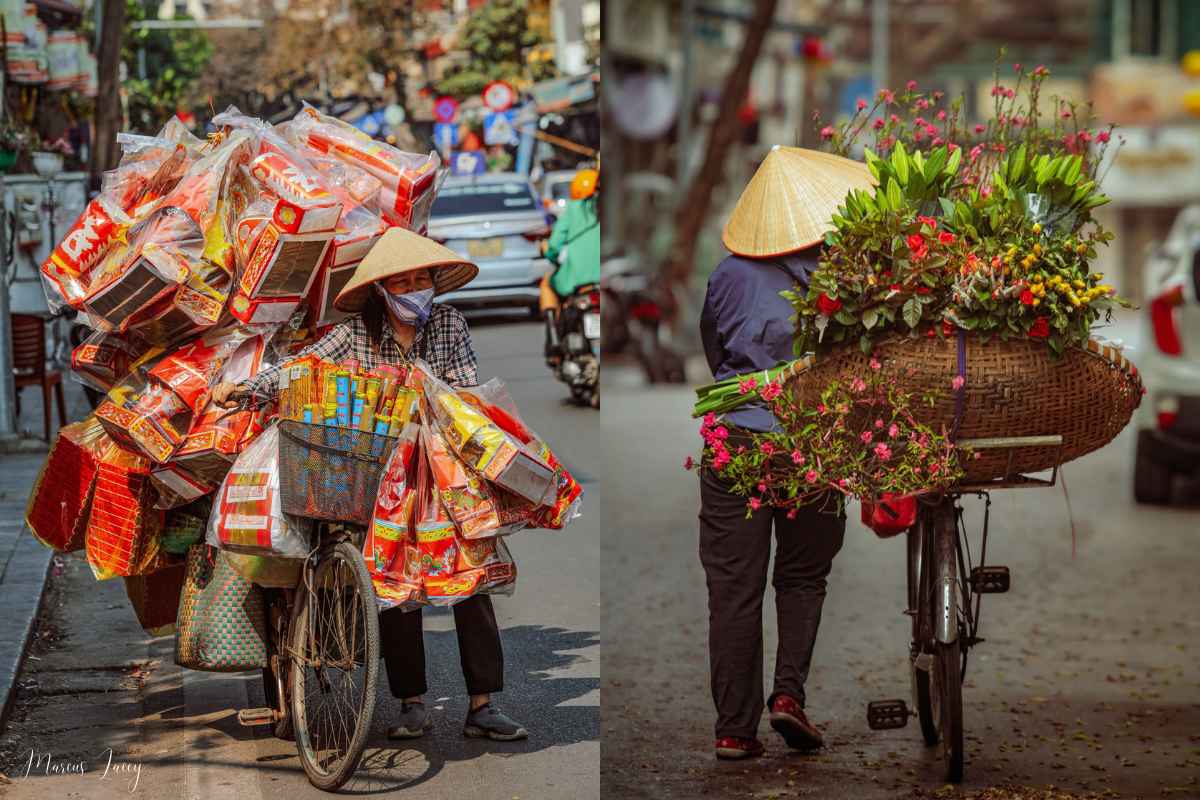
Amid modern buildings and fast-changing urban life, Hanoi’s street vendors continue to quietly preserve the city’s traditional charm. The flower bicycles, fruit baskets, breakfast stalls, and familiar street calls are more than scenes of daily life — they represent the warmth, resilience, and cultural beauty of Hanoi itself. For many visitors, loving Hanoi begins with these simple and deeply authentic experiences.
Some of the most iconic places connected to this atmosphere include Hoan Kiem Lake, The Old Quarter of Hanoi, and West Lake — areas where visitors can still fully experience the living culture of Hanoi’s street vendors today.