
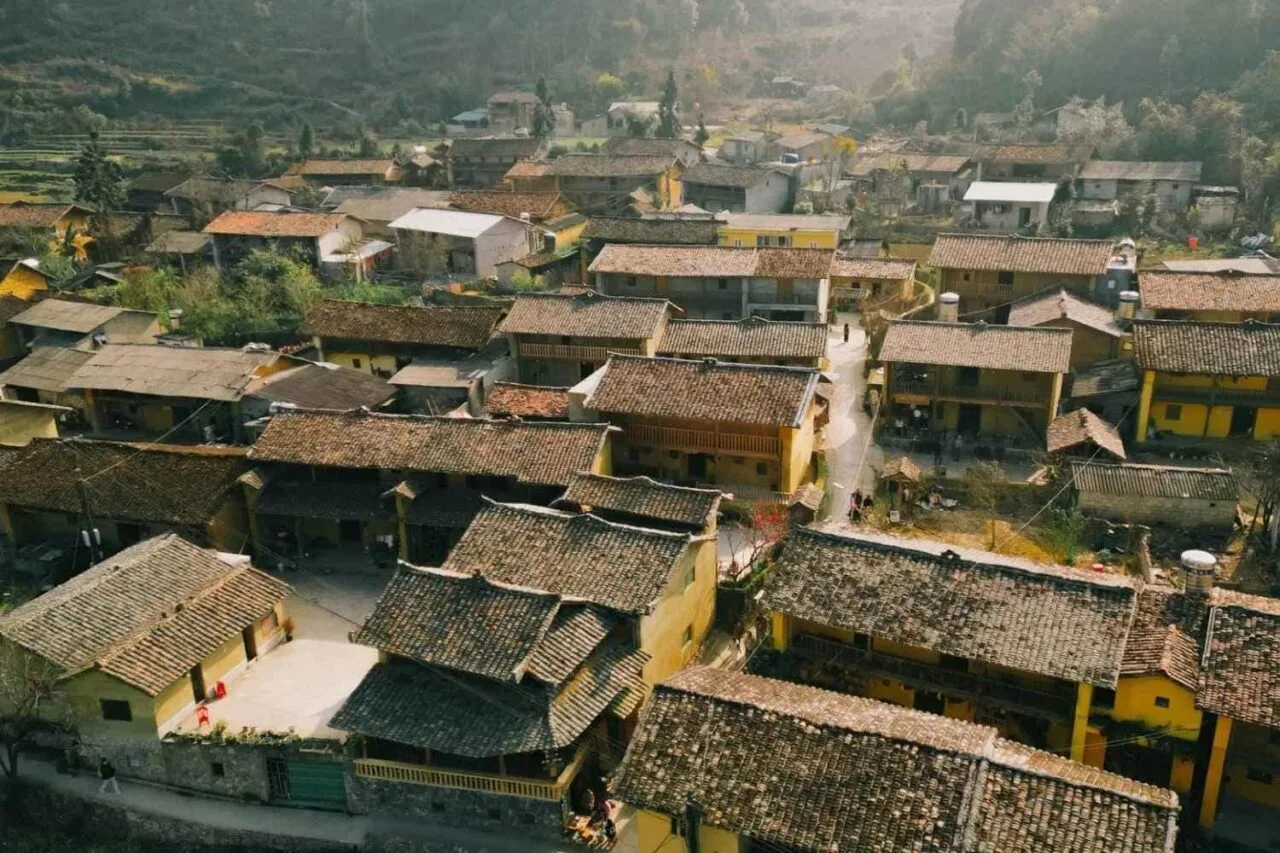
Most people come to Ha Giang with one goal: to check in at Lung Cu Flag Tower, the northernmost point of Vietnam. But if you go just a little further, about 1.5 kilometers, you will find Lo Lo Chai Village — a place that may not look impressive at first, yet stays with you much longer. There are no resorts, no busy cafés, no loud crowds. It feels like a quiet pause. And the best way to experience it is not by passing through, but by staying overnight and living at the pace of the village.
A place that naturally slows you down
Lo Lo Chai Village is located within the Dong Van Karst Plateau, surrounded by rocky mountains, terraced fields, and wide open landscapes. But what makes it special is not just the scenery — it is the feeling. In the morning, you open the door and see mist gently drifting across the rooftops. In the afternoon, soft sunlight covers the village in warm tones. Everything moves slowly, and without realizing it, you begin to slow down too.
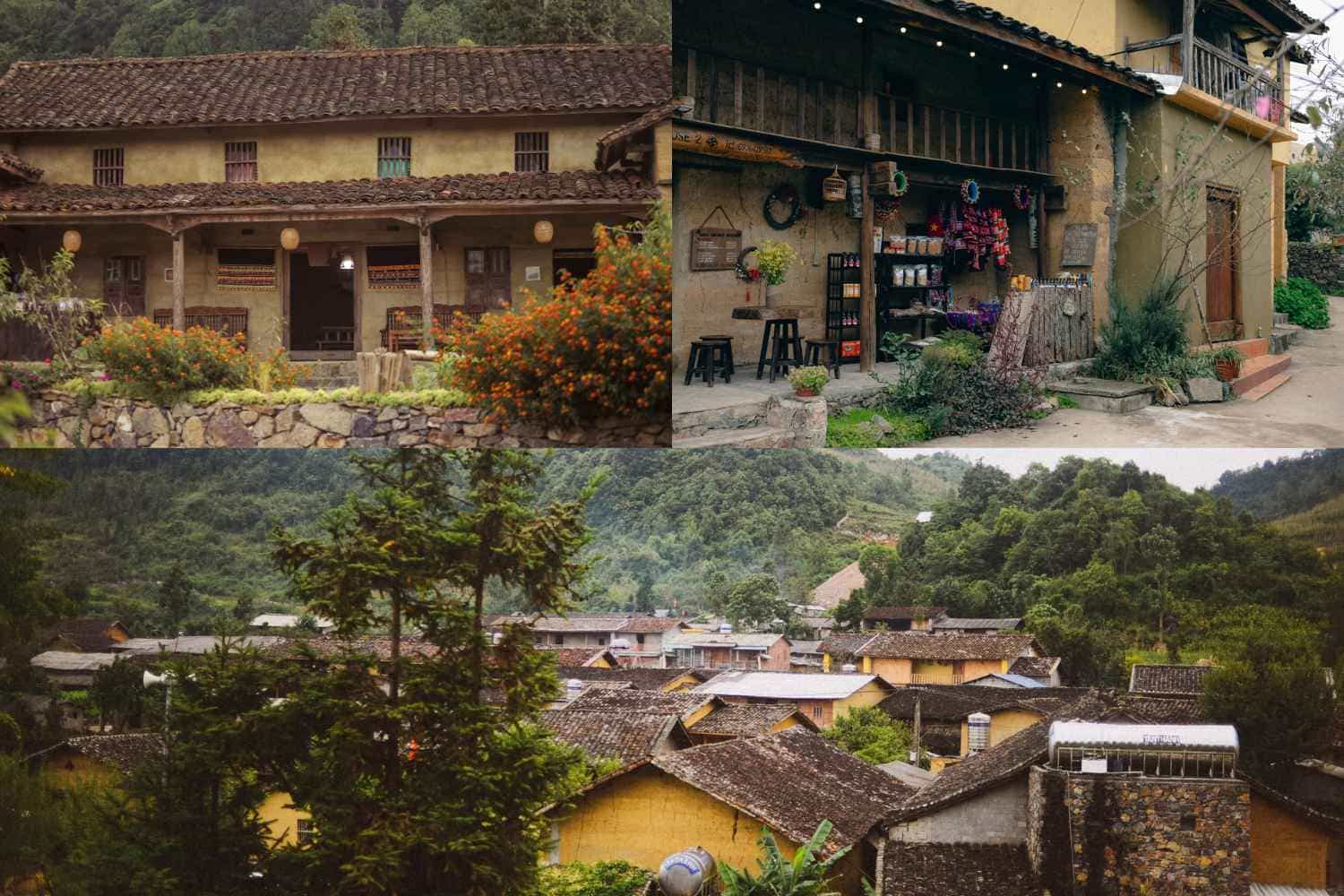 Although tourism has reached the village, it has not taken over. The paths are cleaner, the homes are better maintained, but the original character remains. It does not try to become modern — it simply makes space for visitors without losing itself.
Staying in a homestay – not just sleeping, but living
In Lo Lo Chai Village, you do not stay in a hotel. You stay in traditional homes built from rammed earth, with thick walls, yin-yang tiled roofs, and surrounding stone fences — structures that have existed for generations. Inside, everything is simple. Wooden beds, woven fabrics, and everyday objects create a grounded and authentic atmosphere. There is enough comfort to rest well, but not so much that you forget where you are.
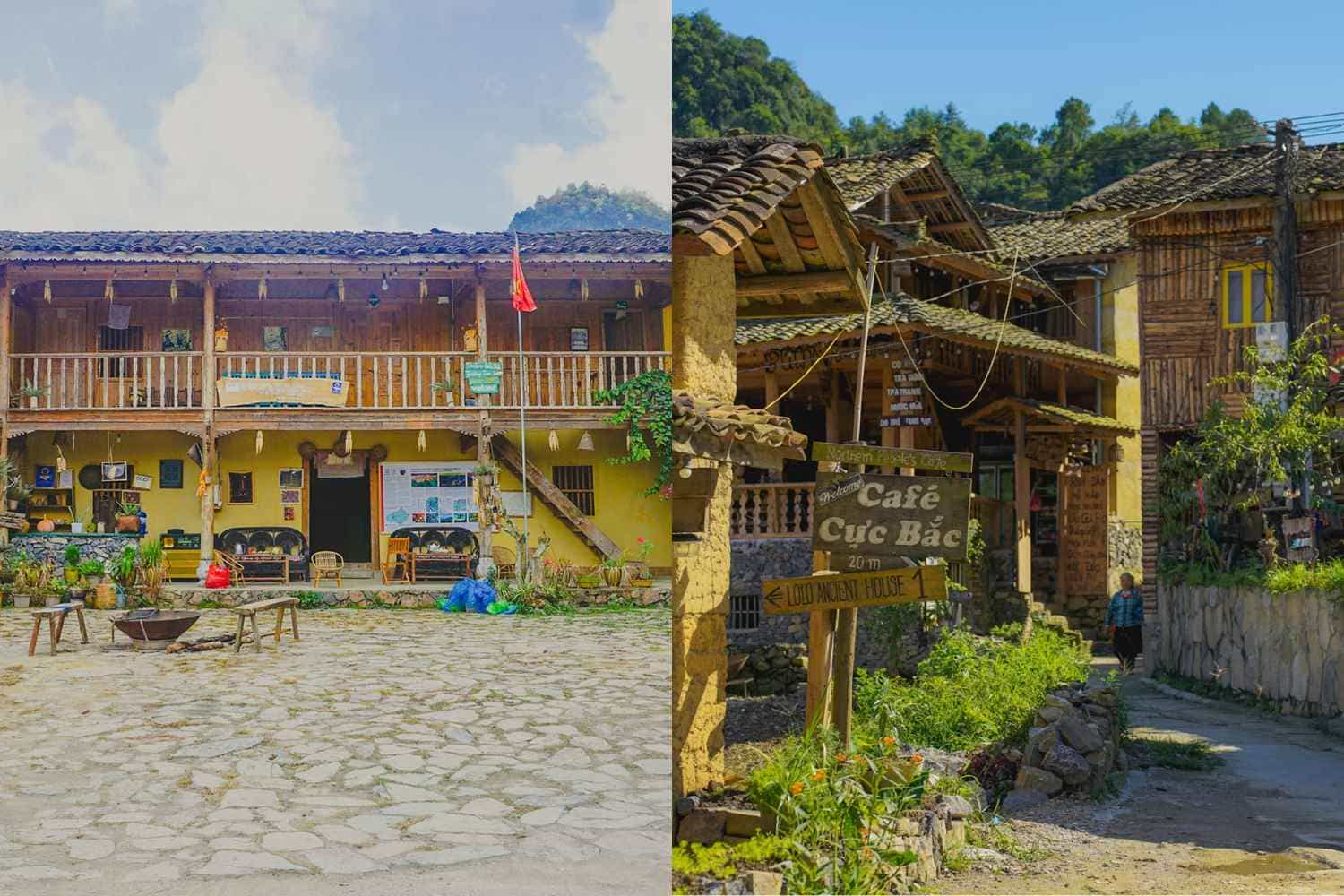 What you remember most is not the room, but the moments. Sitting down for tea, talking with the host family, or simply being near the fire. These small, human interactions often become the most meaningful part of the journey.
A day that passes gently
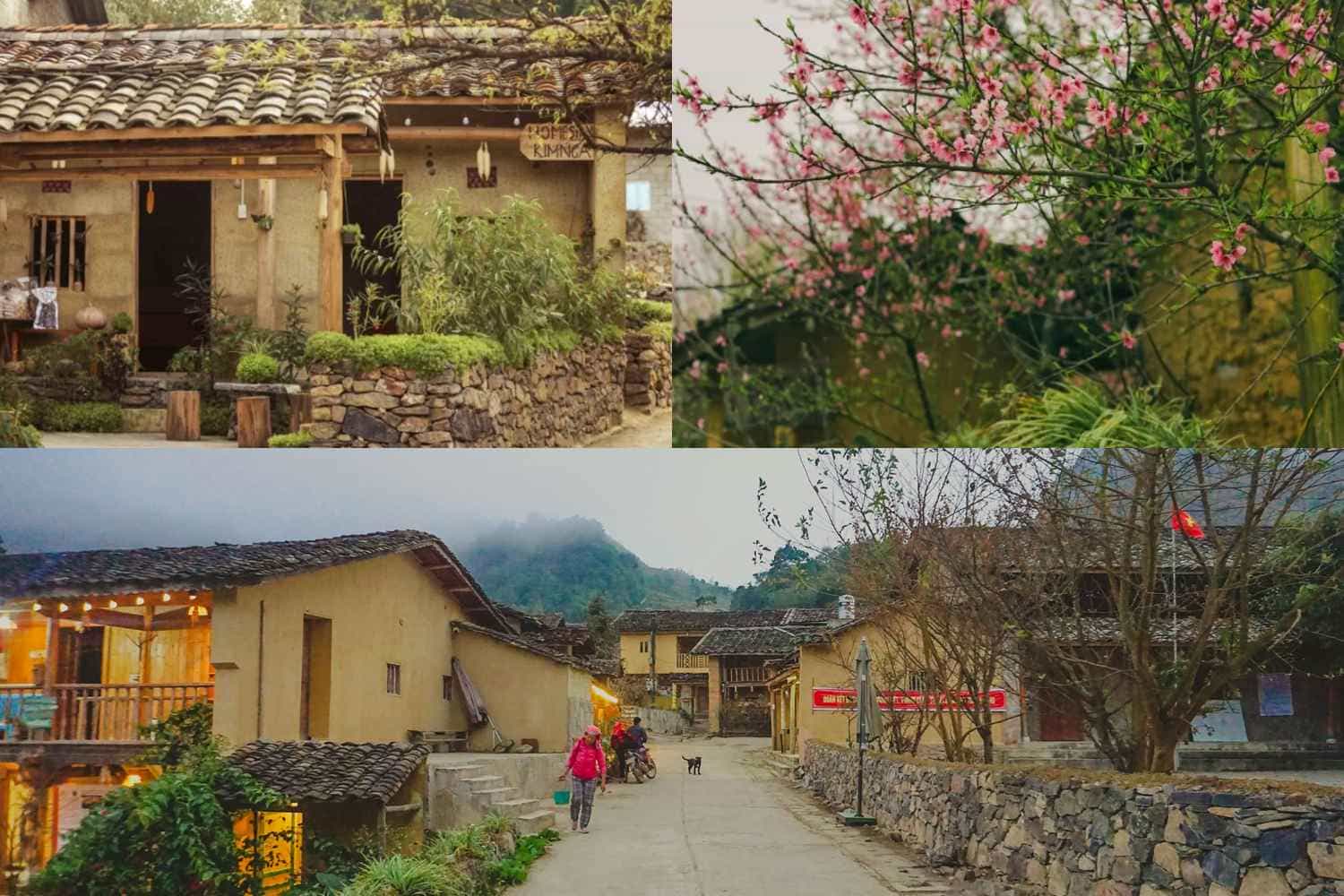
Mornings in Lo Lo Chai Village are quiet. No traffic, no noise. Just cool air, soft mist, and a sense of openness. You do not need a plan — just being there already feels enough. In the afternoon, you can walk around the village without any schedule. Just wander, observe, and take your time. You might stop to talk to someone, or sit somewhere longer than you expected without noticing the time.Evenings are often the most memorable. Soft yellow lights, a calm atmosphere, and a simple shared meal. It is not about the food being special, but about the feeling of sitting together and being present.
 Recommended Homestays and Travel Tips in Lo Lo Chai Village
If you are looking for a place to stay in Lo Lo Chai Village, there are several options worth considering. Popular choices such as MOTOGO Home, Lo Lo Village Homestay, and Lo Lo Ancient House are well-known for blending modern comfort with traditional design. Meanwhile, Homie Homestay and Lo Lo Eco House are better suited for travelers who want a deeper, more immersive experience of local life. No matter where you stay, you will likely share the same feeling — a sense of warmth, simplicity, and genuine hospitality that is hard to find elsewhere.
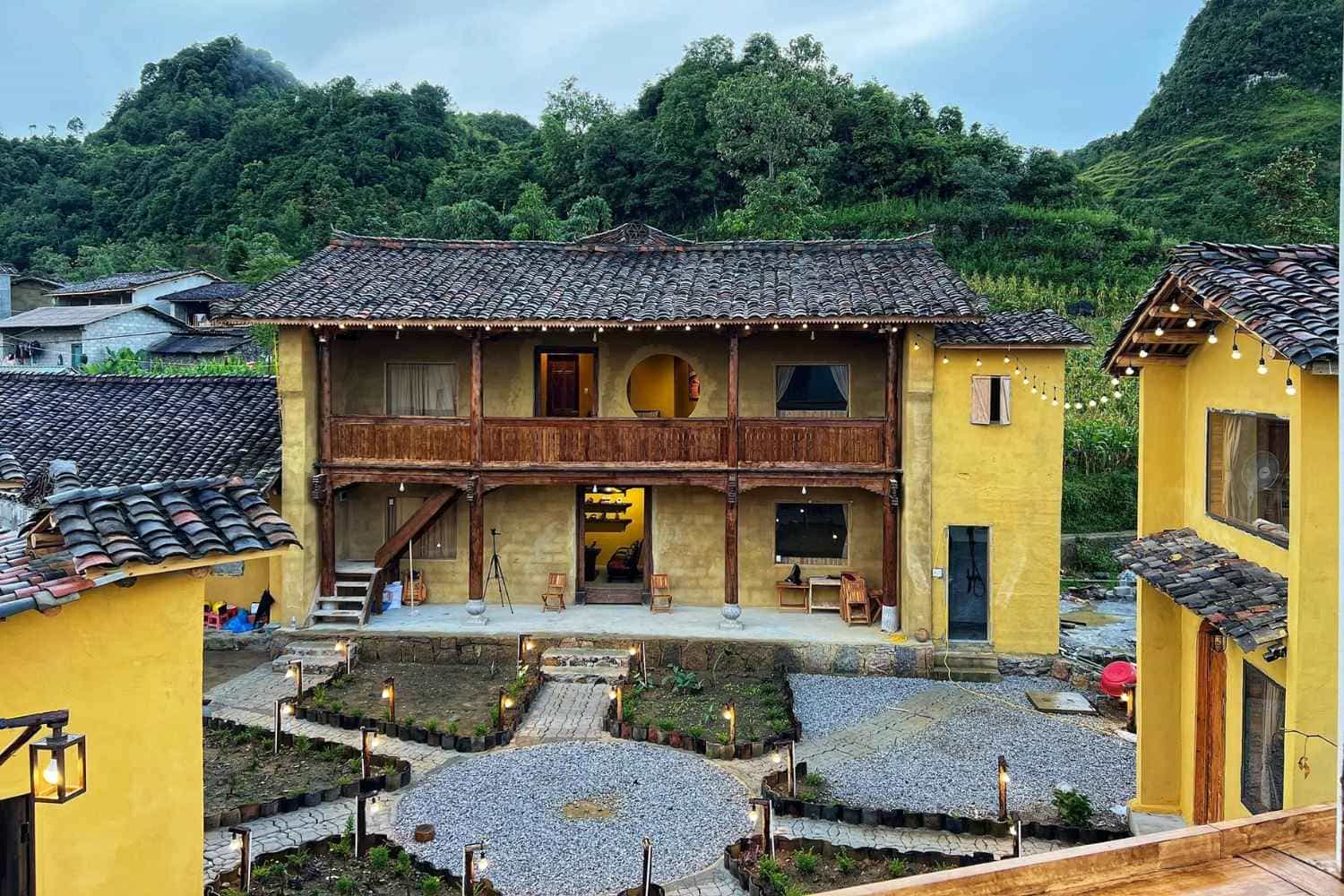 In terms of pricing, accommodation in Lo Lo Chai Village typically ranges from around 150,000 to 1,400,000 VND per night, depending on the room type and included services. You can choose a dorm room for a more budget-friendly option or a private room for greater comfort and privacy. During weekends and holidays, the village can get quite busy, so it is recommended to book in advance.
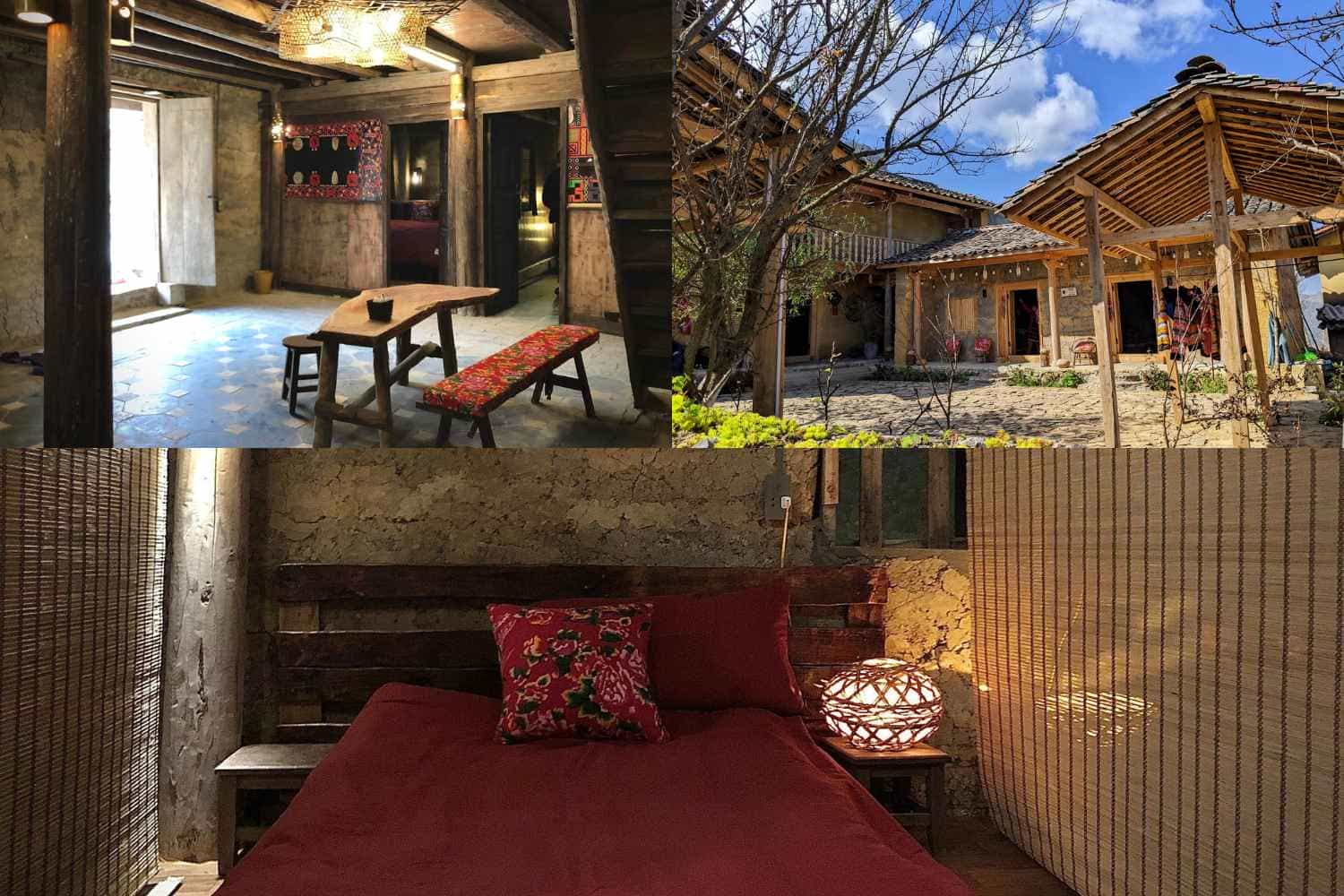 It is also important to be prepared for a simpler experience compared to city hotels. Facilities may be more basic, but that is part of the charm. Most importantly, respecting local customs and the daily way of life will not only show appreciation but also make your stay more meaningful and memorable.
Lo Lo Chai Village is not about comfort or entertainment. It is about pausing, slowing down, and noticing the small things again. If you are traveling to Ha Giang and want something beyond landscapes, staying here for just one night may change the way you experience travel — because sometimes, it is not about going far, but about feeling deeply where you are.