
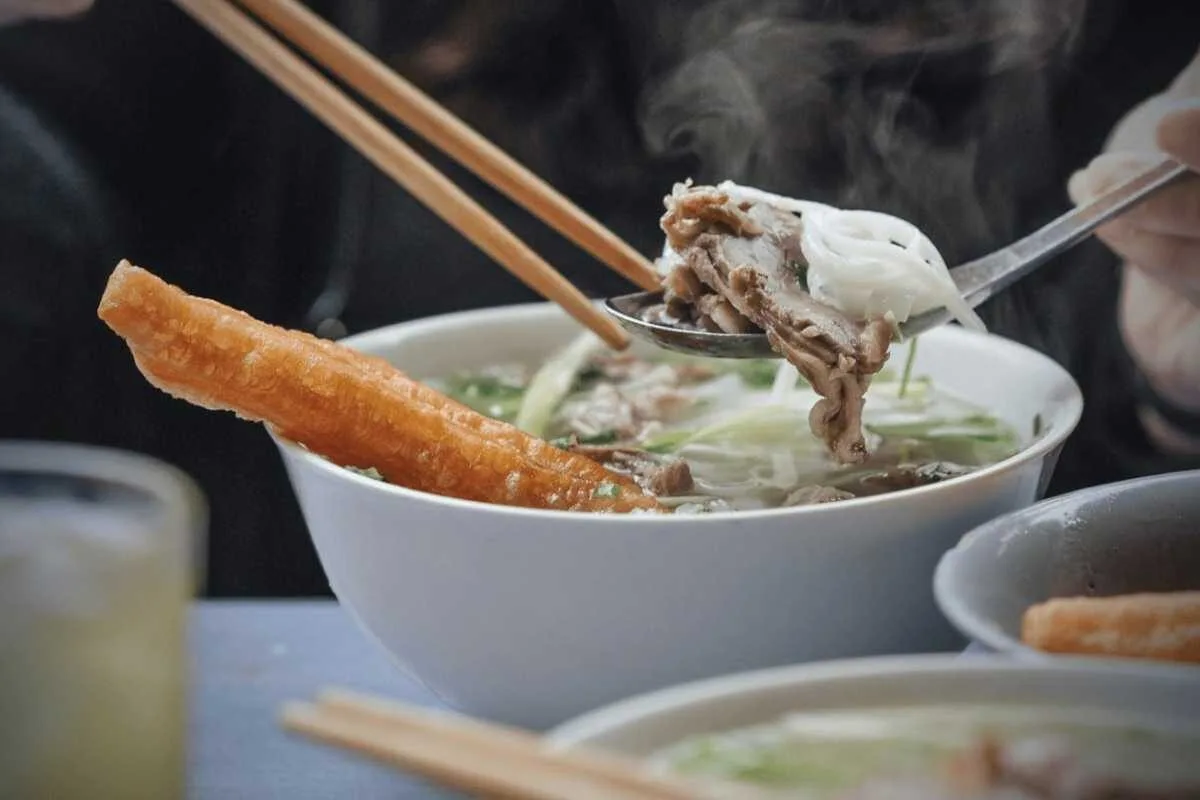
Amid the modern rhythm of Hanoi—where bright, spacious pho restaurants now appear on nearly every street—there remains an image that brings people back to the city’s past: pho ganh (Hanoi street pho sold from a shoulder pole). More than just a simple breakfast, pho ganh is a slice of memory, a living witness to the formation and evolution of Hanoi’s culinary culture for over a century. Writing about pho ganh is also writing about how Hanoians preserve their identity through each steaming bowl of broth.
How Did pho ganh Originate?
According to various studies, pho first appeared in the early 20th century, during a time of strong cultural exchange in northern Vietnam. There are several theories about its origin: it may have been influenced by the French dish pot-au-feu, the Chinese niu rou fen (beef noodle soup), or developed from traditional Vietnamese dishes such as xao trau or xao bo (stirred buffalo or beef dishes). Regardless of its roots, Hanoi is where pho was refined into a dish with a distinct identity.
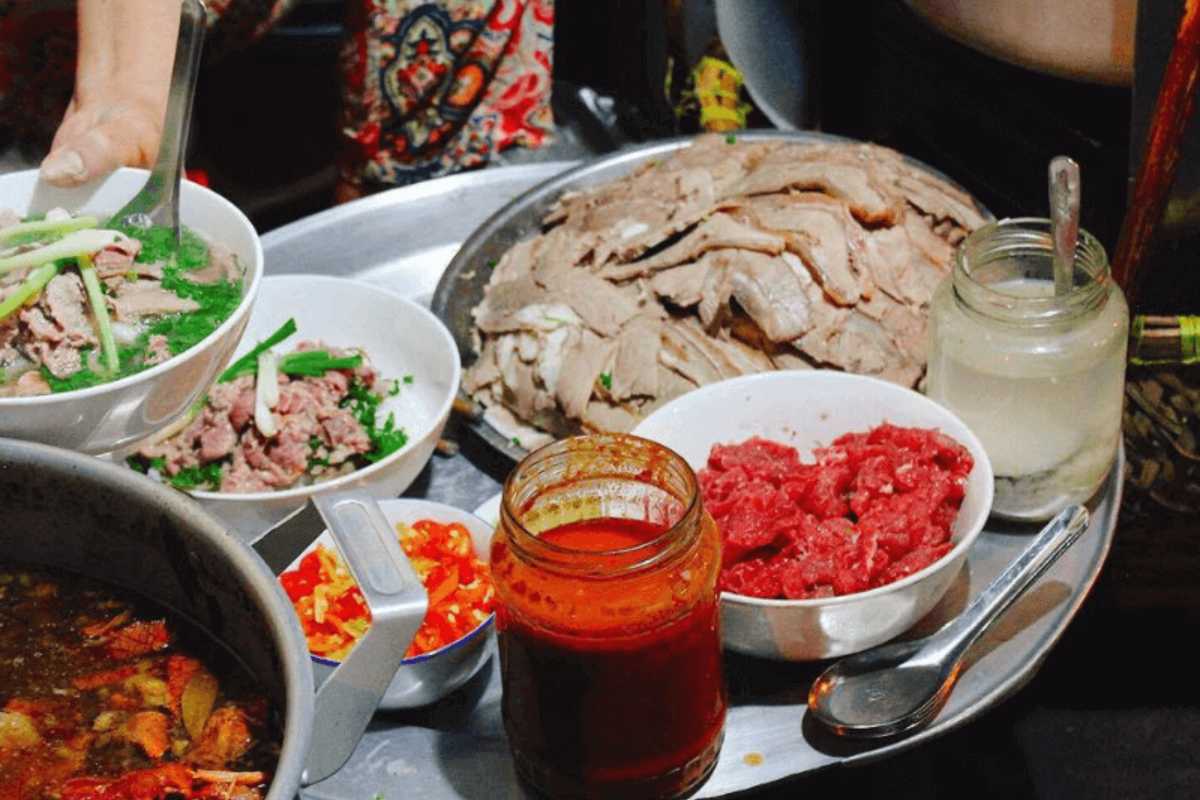
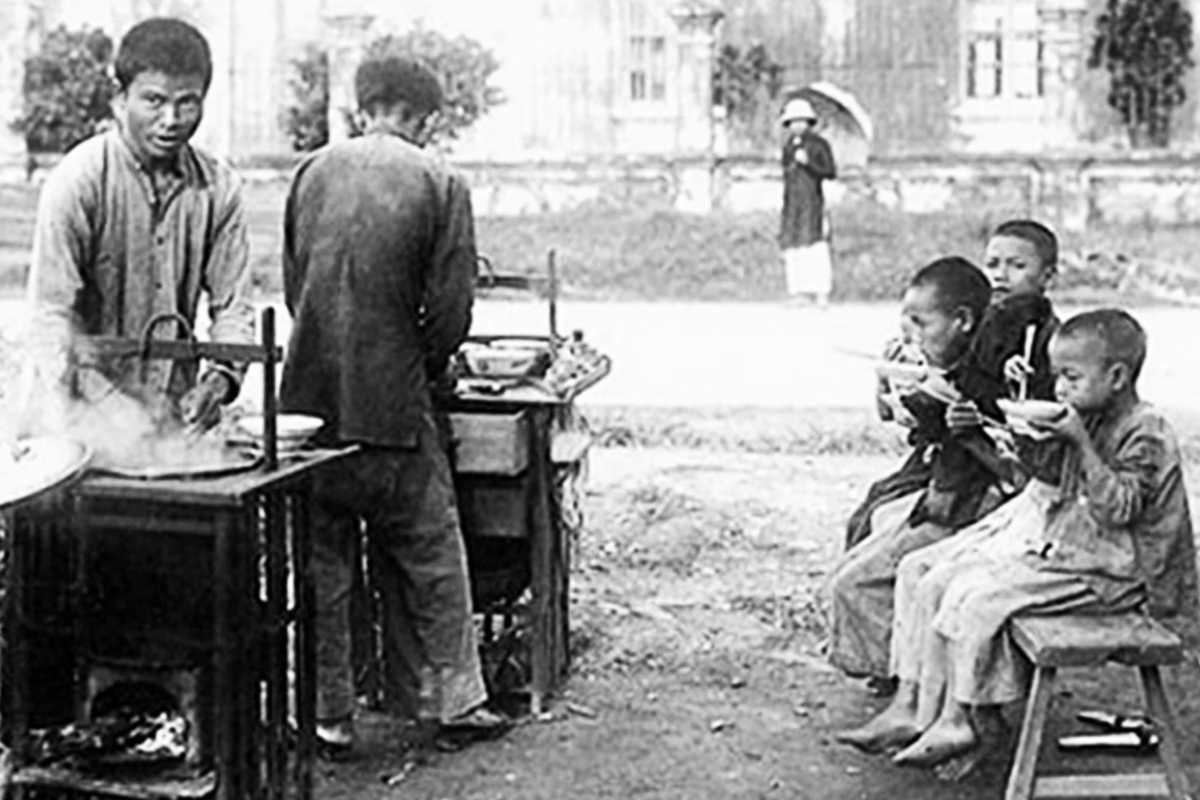
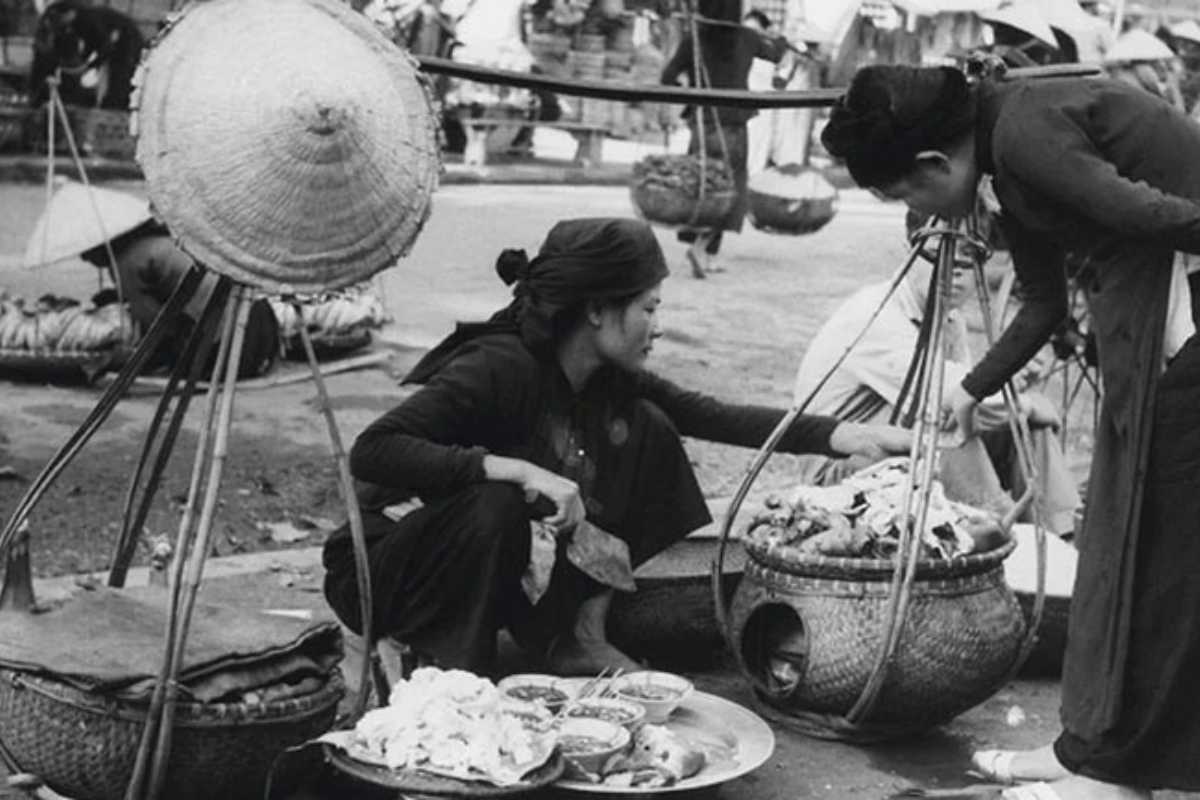 In its earliest days, pho was not served in fixed shops. Vendors carried bamboo shoulder poles, with one end holding a pot of steaming broth and the other carrying rice noodles, beef, bowls, chopsticks, and spices. They wandered through the streets from early dawn or late at night, calling out in a distinctive voice:
“Ai… pho day…” (“Pho… anyone?”)
 That call echoed through old tiled roofs, gently waking a still-sleepy neighborhood. From this humble livelihood, the name pho ganh—literally “carrying-pole pho”—was born.
Why Did pho ganh Become a Symbol of Hanoi?
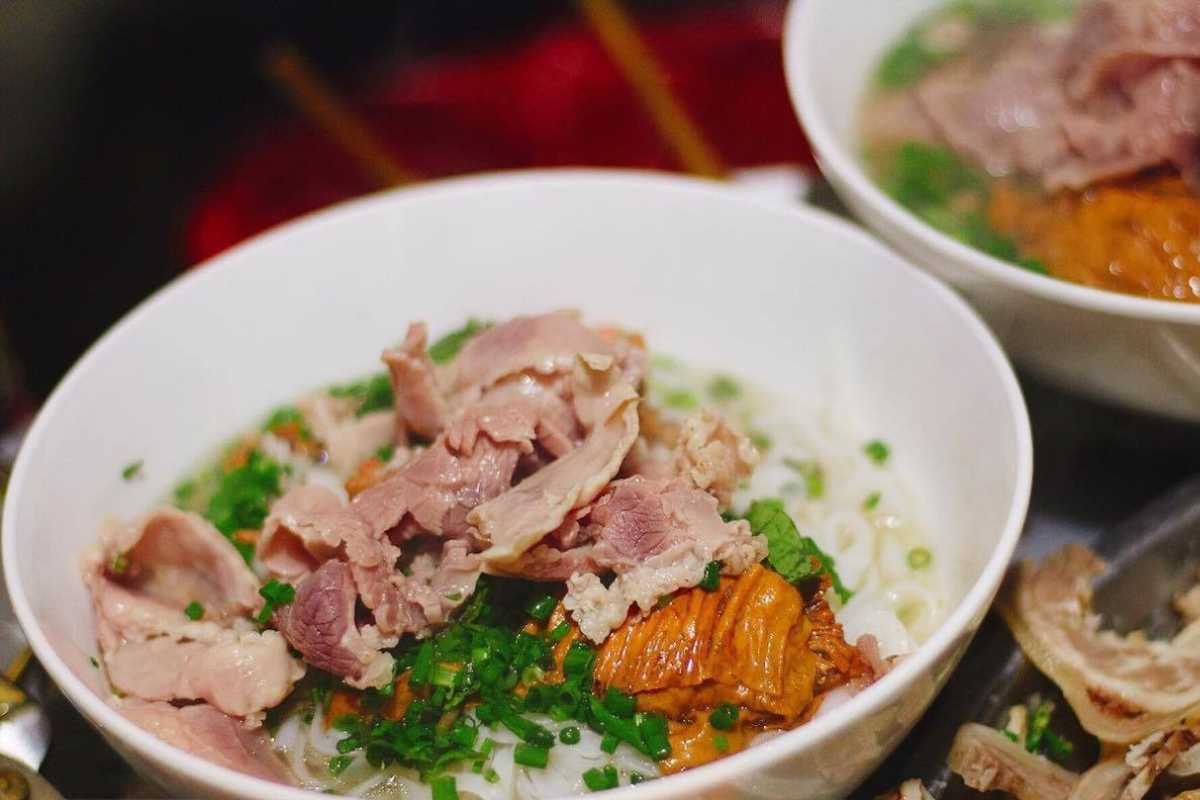
pho ganh may look simple, but it demands exceptional refinement in preparation. The broth must be clear and naturally sweet from hours of simmering bones; the rice noodles soft but not mushy; the beef thinly sliced; and herbs and spices—such as scallions, ginger, cinnamon, and star anise—carefully balanced to create a distinctive aroma without overpowering the natural flavor. Yet the true value of pho ganh lies beyond the recipe. Its soul comes from the setting in which it is enjoyed.
 In the past, Hanoians would sit on low wooden stools along misty sidewalks, eating pho while listening to the ringing bells of electric trams and the rhythmic clatter of wooden clogs on Old Quarter streets. A bowl of pho was not just nourishment—it was the beginning of a day’s rhythm. Notably, in 2024, Hanoi Pho was officially inscribed on Vietnam’s National Intangible Cultural Heritage list. This recognition affirms not only the dish itself but also the historical and cultural values nurtured by generations of street vendors.
Enjoying a bowl of street-style pho the traditional way in Hanoi is not just about eating, but about experiencing layers of flavor as locals have done for generations. When your bowl of pho is freshly served, start by tasting the broth on its own. This first sip lets you appreciate the natural sweetness slowly extracted from bones and spices, which is the essence of this iconic Vietnamese dish.
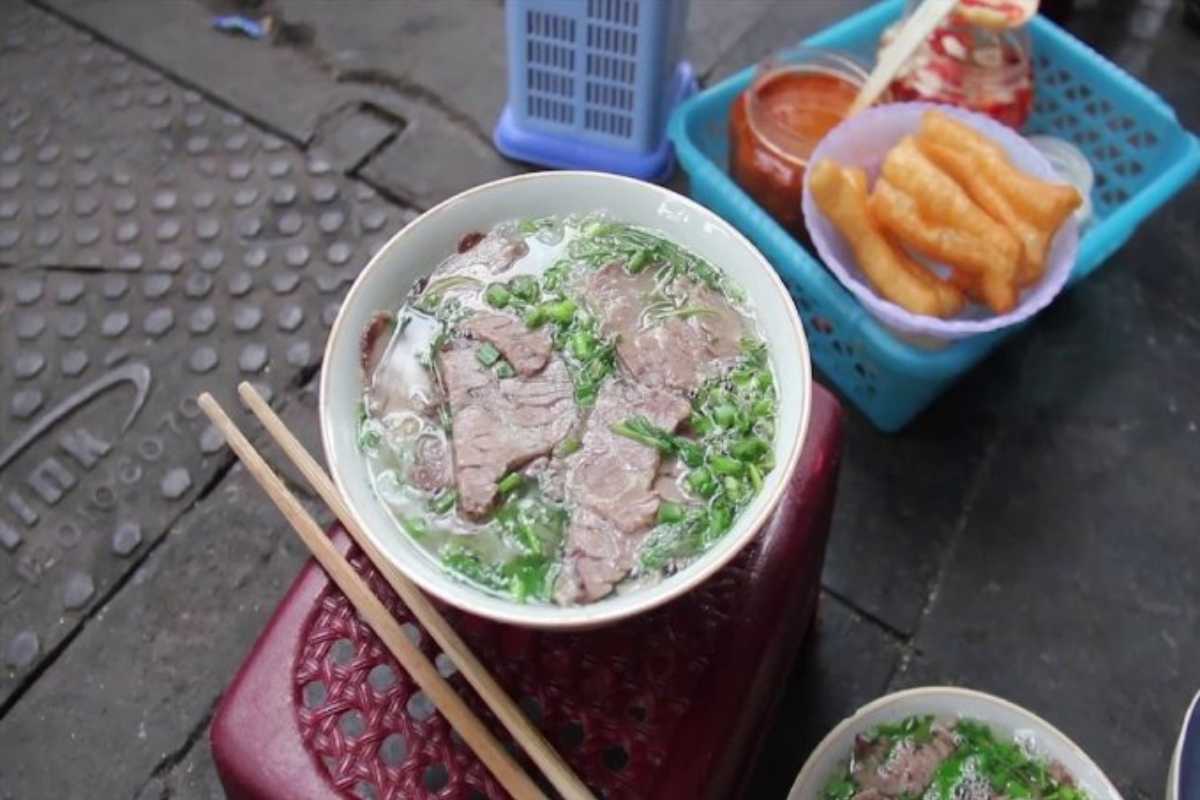 After that, you can begin seasoning, but always add ingredients gradually to preserve the original taste. Common additions include chopped scallions, sliced onions, and a pinch of ground pepper to enhance aroma. If you prefer a stronger flavor, you may add a small amount of fish sauce, chili sauce, or fresh sliced chili. Some people like to squeeze a bit of lime or kumquat for a light sour note, but it should be used sparingly so it does not overpower the broth.
 For beef pho, hoisin sauce is sometimes added depending on personal taste, although the traditional style in Hanoi tends to keep seasoning minimal. When eating, use chopsticks to lift the noodles and meat, and a spoon to enjoy the hot broth. Take your time, savor the softness of the rice noodles, the tenderness of the meat, and the delicate fragrance of the broth. A truly good bowl of pho is one that requires very little seasoning, allowing its natural flavors to shine.
The Culinary and Cultural Value of pho ganh
pho ganh is a vivid expression of a distinctly Hanoi philosophy: beauty lies in simplicity, but always with care and precision. A seemingly modest street setup carries multiple layers of cultural meaning:
- A Culture of Labor
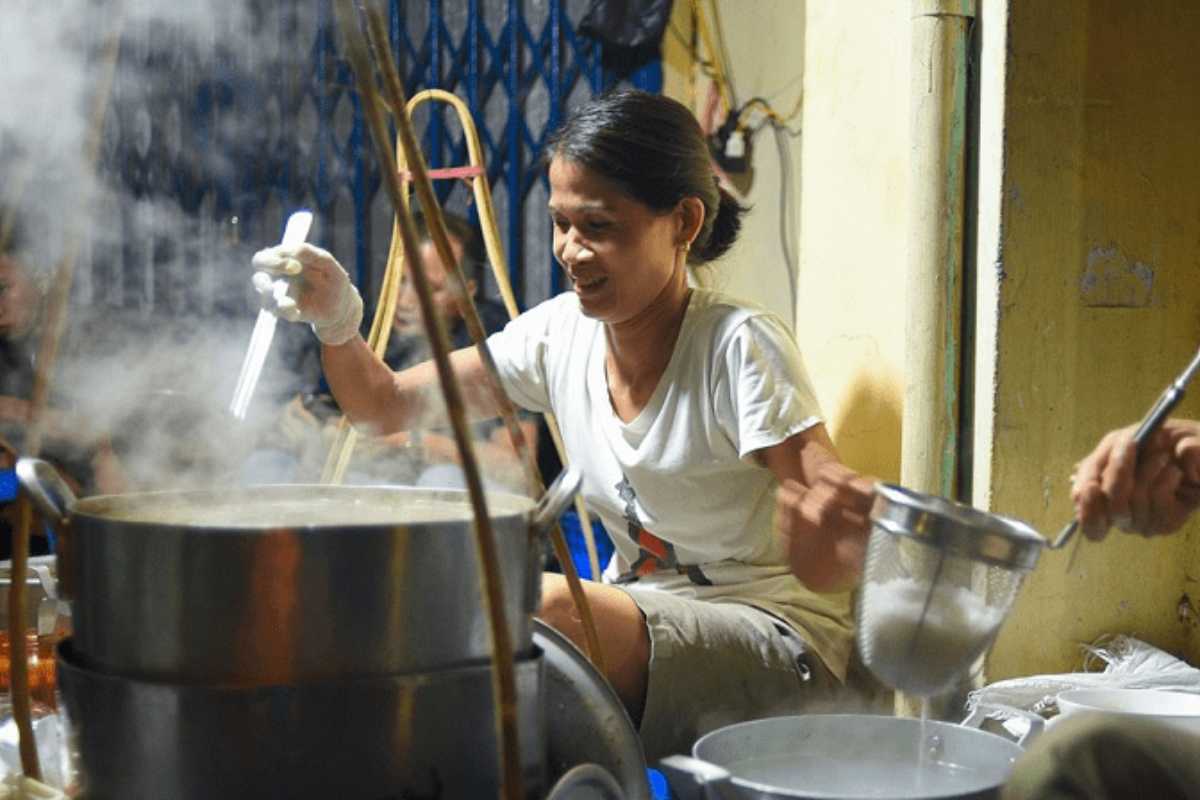
Pho vendors begin their work at midnight—lighting fires, simmering bones, and preparing each ingredient with patience and meticulous attention.
- A Culture of Interaction
Customers eat quietly and unhurriedly. A simple greeting, a brief exchange, or a soft request—“a little more scallion, please”—creates a sense of urban warmth and connection.
- A Culture of Memory
For many Hanoians, pho ganh is the scent of childhood, the signal of dawn, and the taste most deeply missed when far from home.