
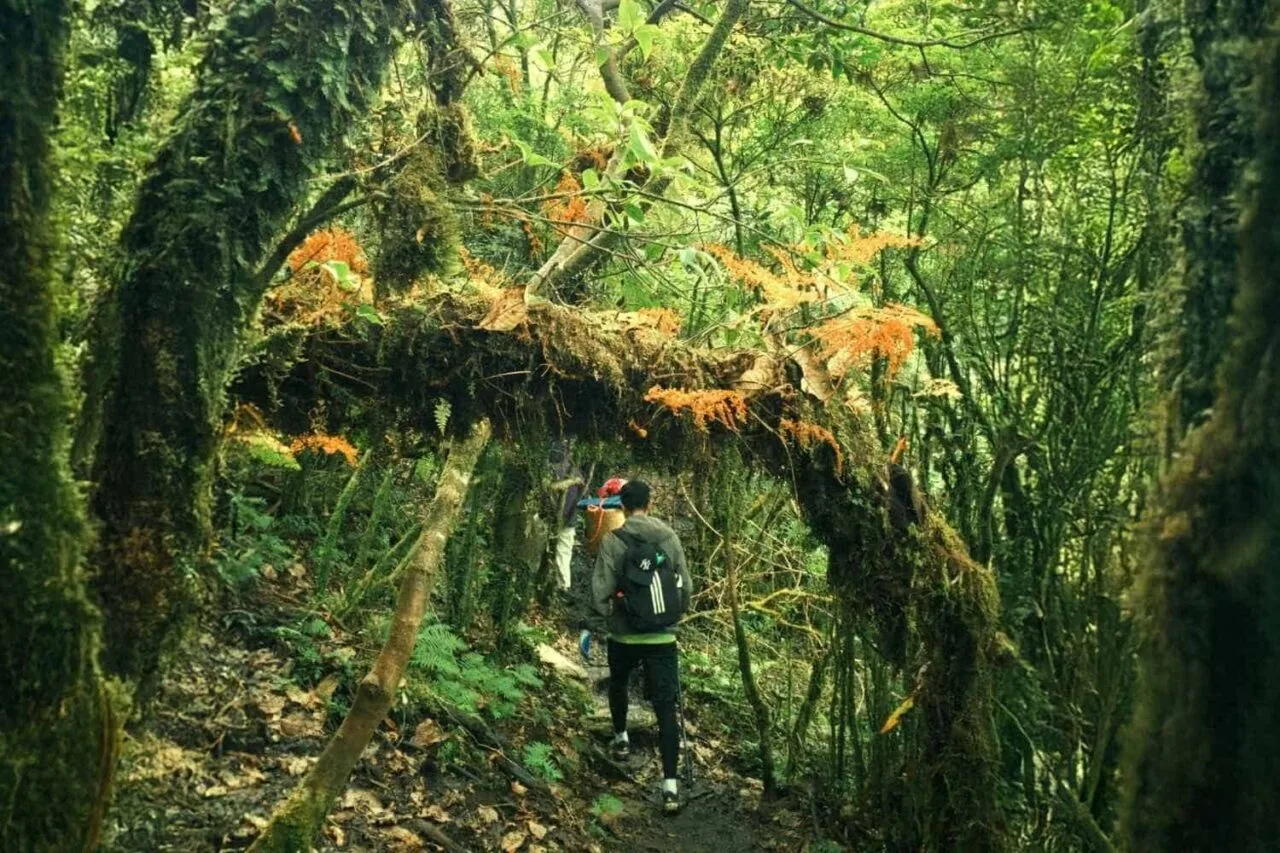
Hidden deep inside the mountains of northern Vietnam, U Bo Peak, also known as Sa Mu Peak, offers a trekking experience that feels raw, quiet, and untouched. Located within the protected forests of Ta Xua Nature Reserve, this mountain is not yet crowded with tourism, making the journey feel more personal and connected to nature.
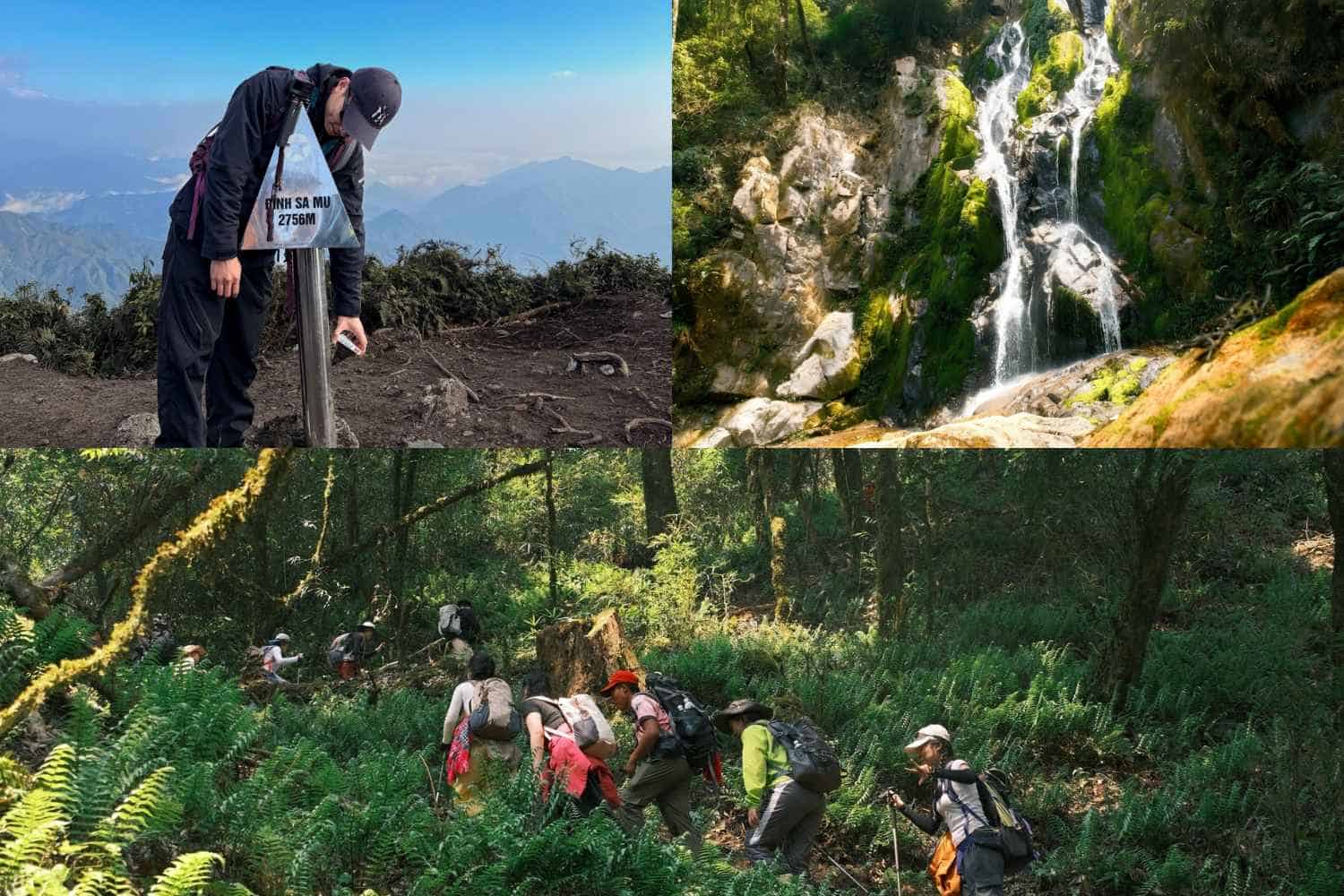 Unlike popular trekking routes focused only on reaching the summit, the experience at Sa Mu Peak is more about the forest itself. Moss-covered trails, ancient trees, shifting clouds, and the silence of the mountains gradually become the highlight of the journey. This article explores what makes this trek special, the routes to choose from, and what travelers can expect when stepping into one of the most mysterious forests in northern Vietnam.
A hidden forest that feels untouched by time
When people mention Ta Xua, most think about cloud hunting in Tram Tau of Yen Bai Province. But another side of Ta Xua exists quietly in Bac Yen District, Son La Province, where the ancient Sa Mu Forest remains hidden beneath layers of mist and mountains.
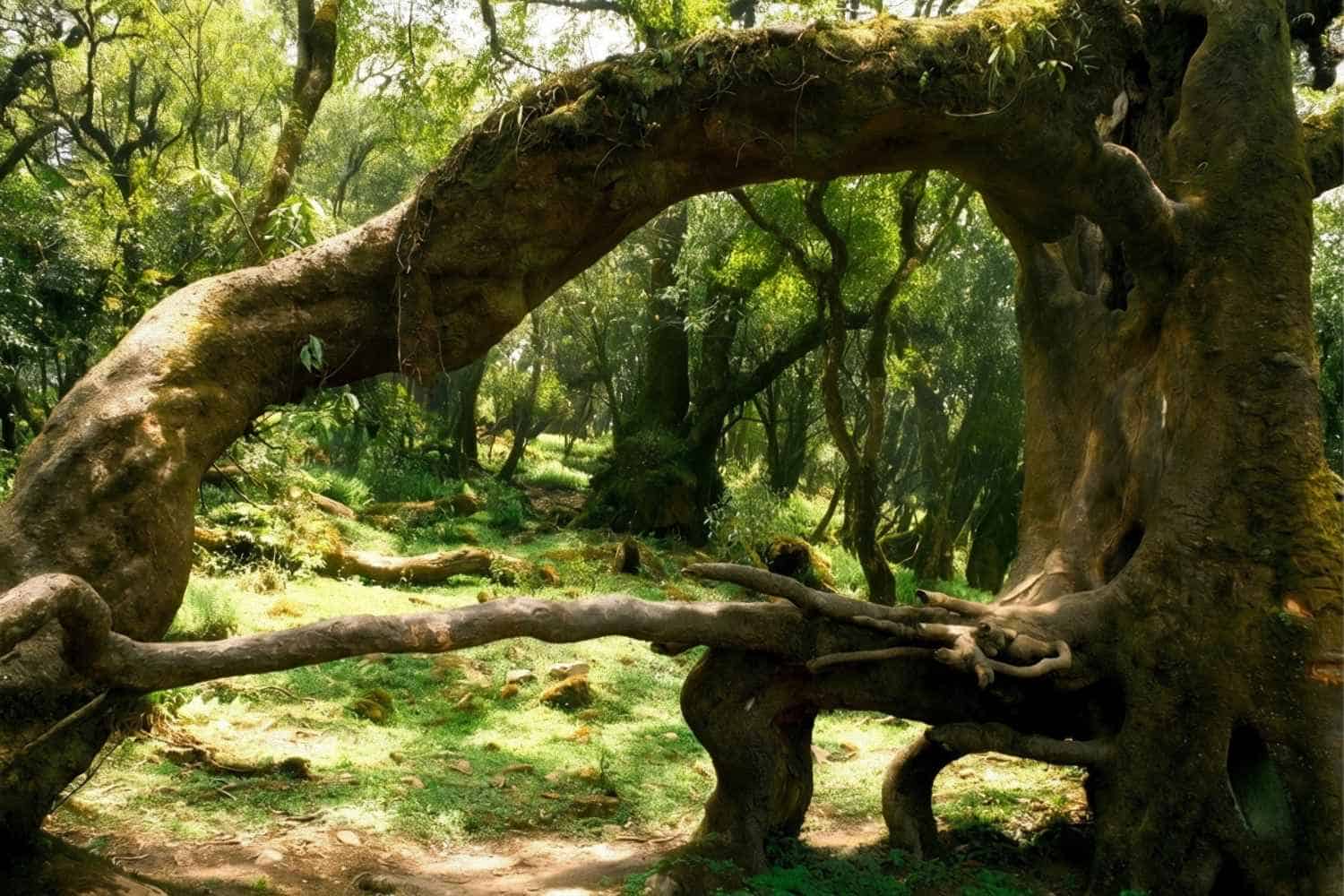 The forest is part of what locals often call the Devil’s Triangle, together with U Bo Peak and the site of a crashed French aircraft deep in the mountains. This area has long been known for its mysterious atmosphere, dense vegetation, and untouched landscape. Walking through the forest often feels less like hiking and more like entering another world.
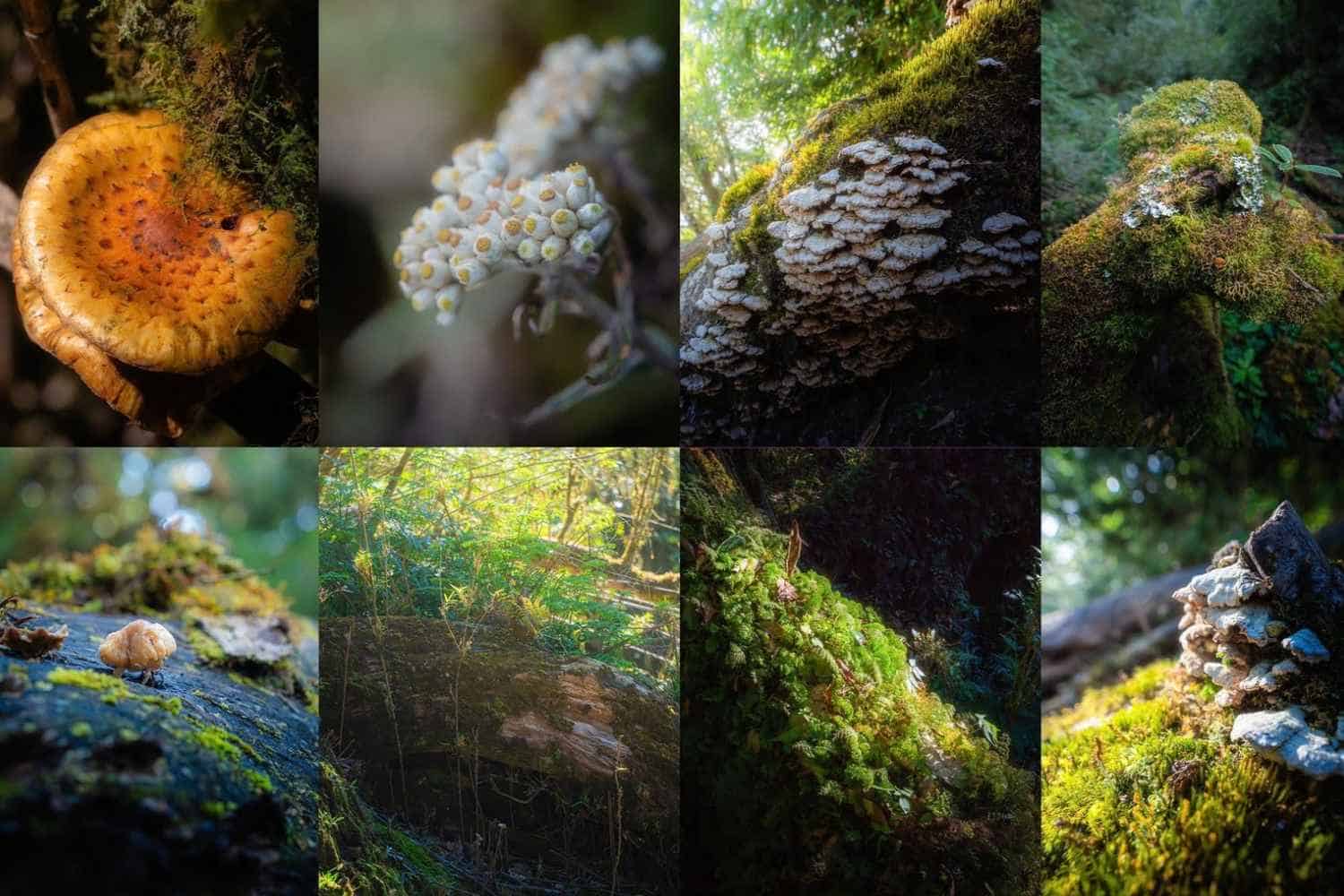
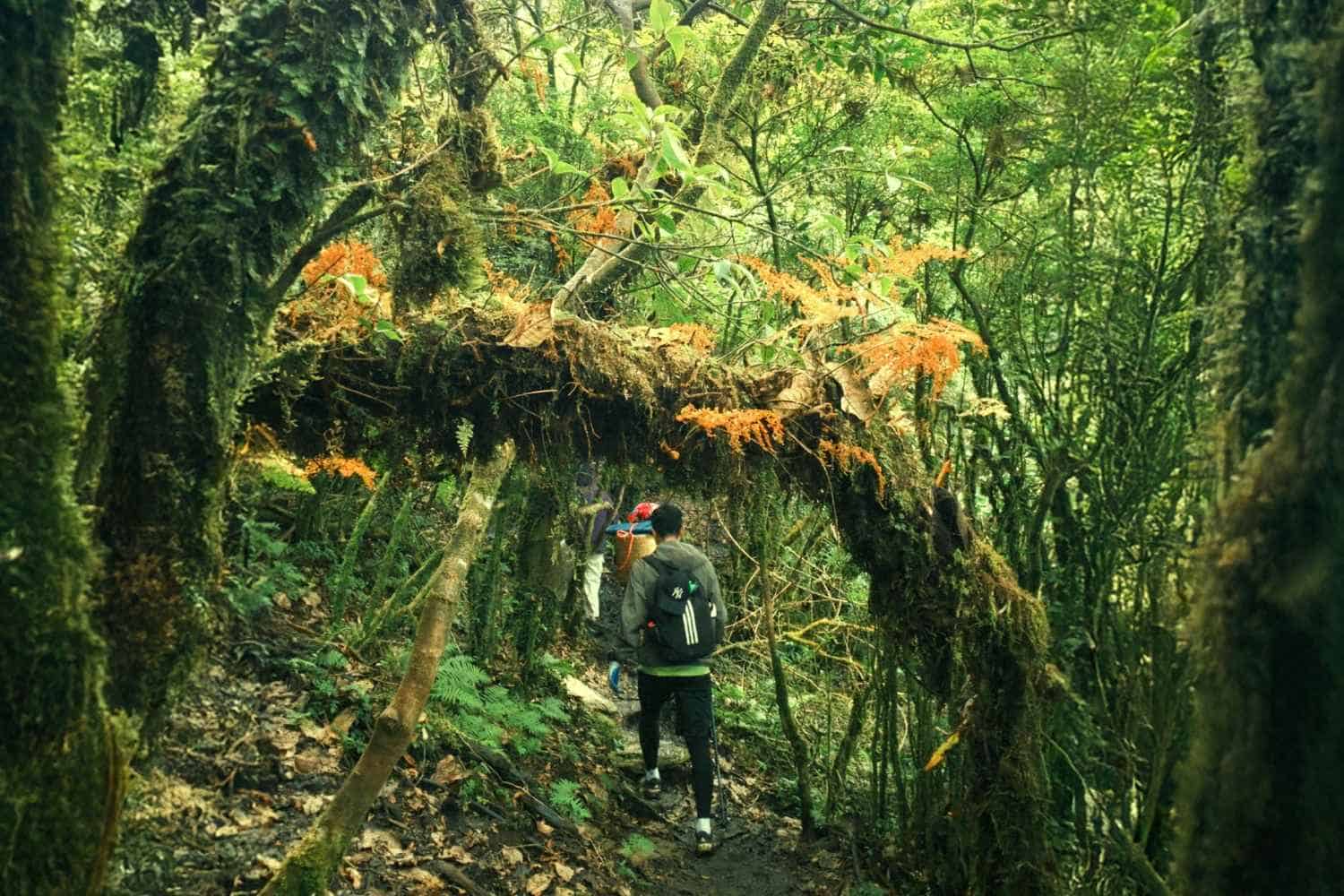
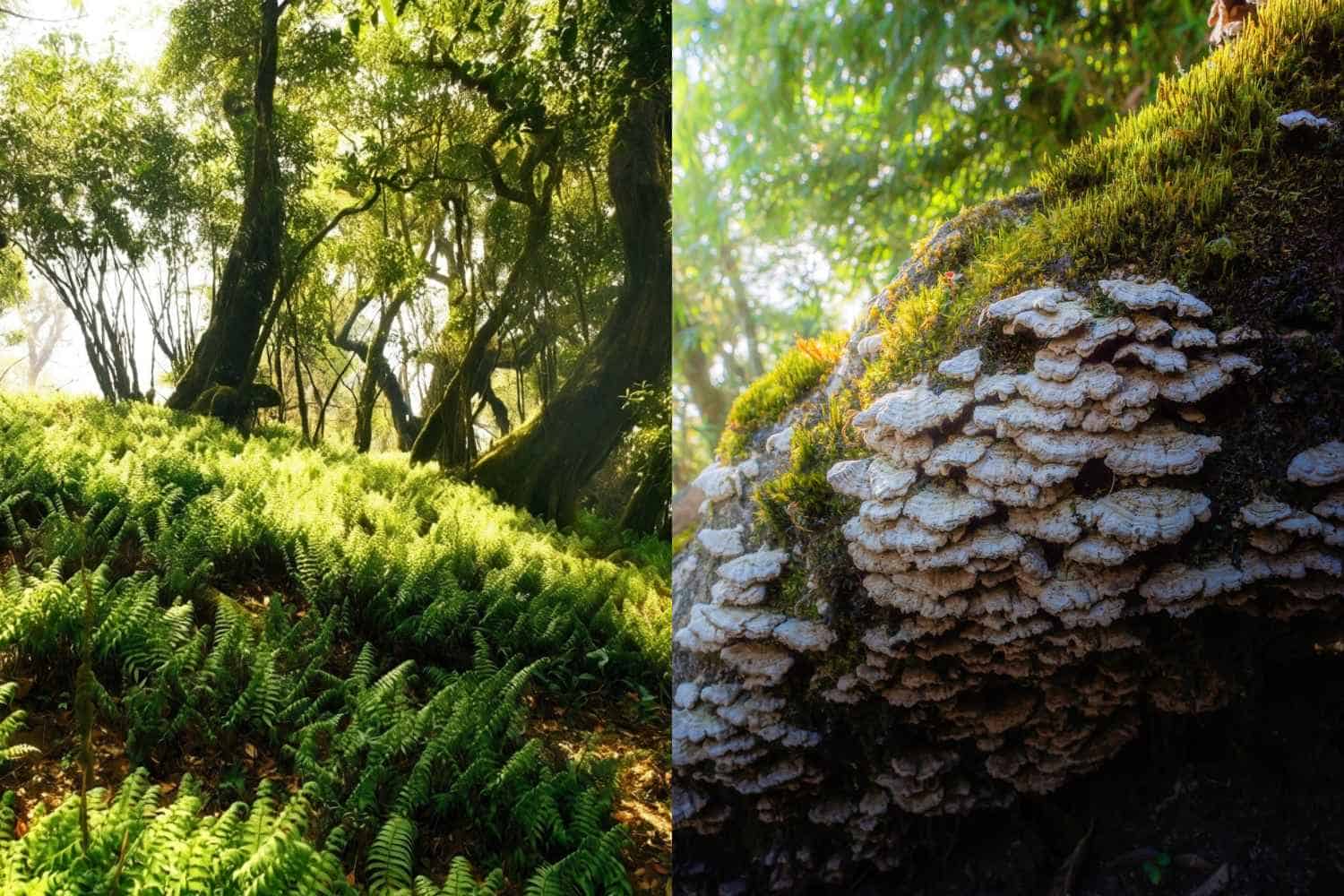 The scenery changes constantly along the trail. Thick moss covers old tree trunks, fallen leaves soften the ground, and layers of green vegetation surround the narrow paths. During colder months, mist moves slowly between the trees, making the forest feel almost unreal. There are moments when everything becomes completely silent except for the sound of footsteps and wind moving through the canopy above.
The trekking experience at Sa Mu Peak
Standing at 2,756 meters above sea level, Sa Mu Peak is considered a moderate trek with a difficulty level around 6 out of 10. It is challenging enough to feel rewarding, but still accessible for beginners with reasonable fitness and preparation. The full trekking route is around 12 kilometers round trip and usually takes between two to three days depending on the chosen path.
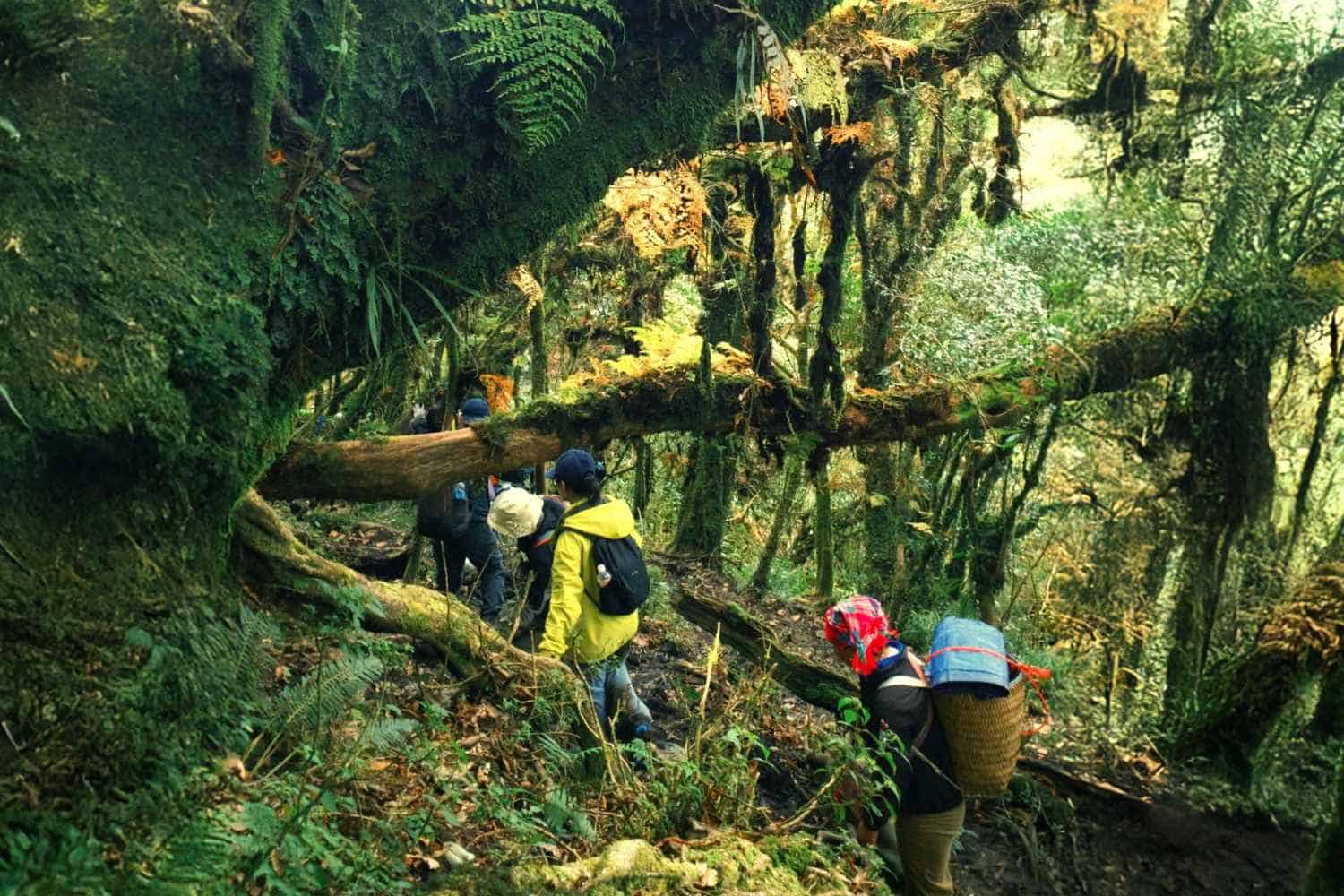 There are several trekking routes leading to the summit, including departures from Tram Tau, Xim Vang, and Hang Dong. Among them, the route from Tram Tau to Hang Dong is often considered the most scenic because it avoids repeated paths and offers more diverse landscapes throughout the journey. Meanwhile, the Hang Dong route is more common and slightly easier, though camping overnight is required.
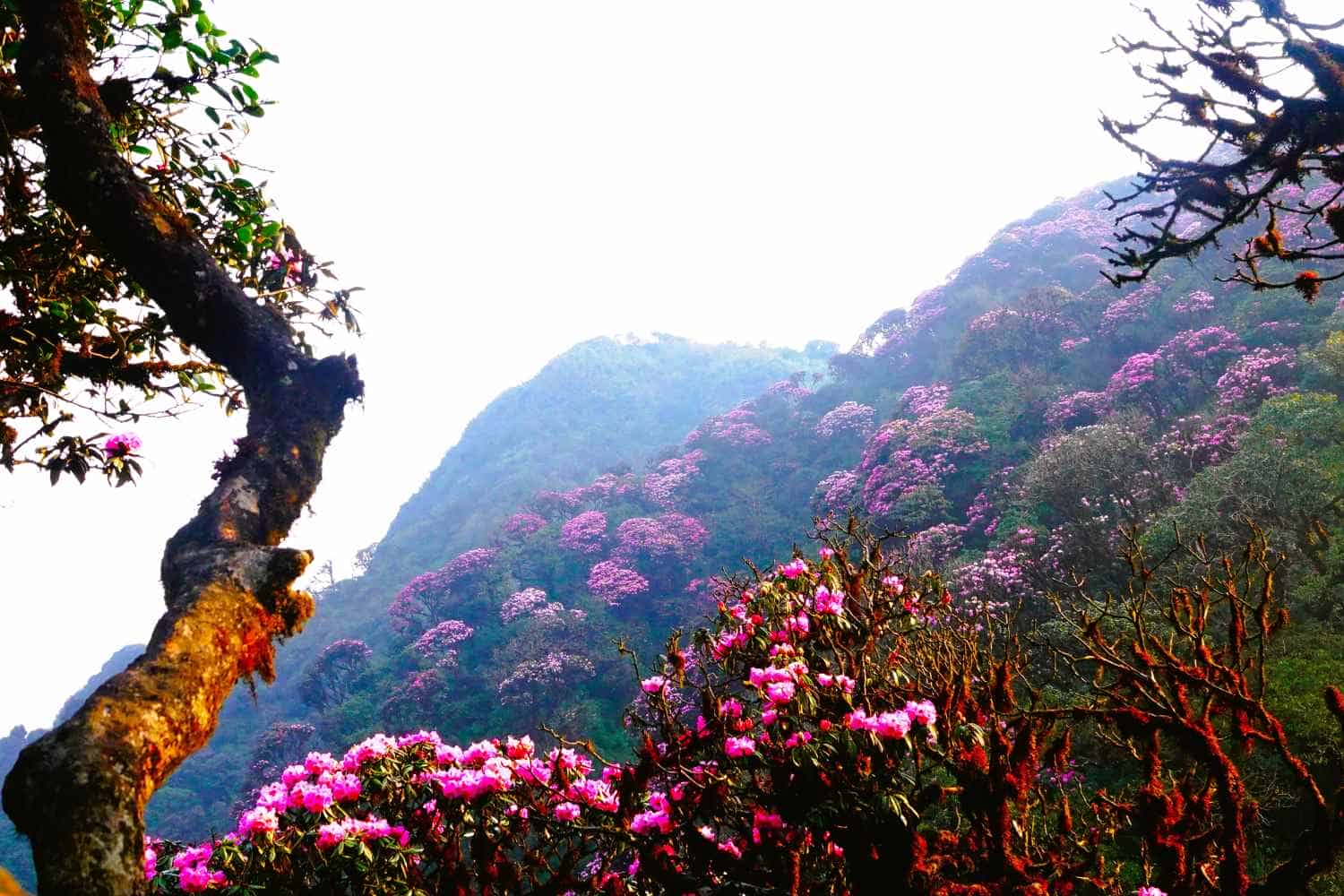 The trail itself is varied and constantly engaging. Some sections are long but gentle uphill climbs through primary forest, while others pass through rhododendron forests and mossy pathways made slippery by mountain humidity. During winter and early spring, trekkers can also witness blooming rhododendrons and floating seas of clouds stretching across distant valleys. These moments often become the emotional highlight of the trip rather than the summit itself.
Cloud hunting, camping, and living slowly in the mountains
One of the most unforgettable parts of trekking U Bo Peak is the atmosphere at night. Depending on the route, travelers either stay in simple mountain huts or camp deep inside the forest. Away from cities and phone signals, evenings become incredibly quiet. The cold mountain air, the sound of insects, and the darkness of the forest create a feeling that is both peaceful and slightly surreal.
 Waking up early in the mountains is another experience that stays with many trekkers. During the cloud-hunting season from December to February, the summit often reveals endless layers of floating clouds beneath the mountain ridges. As sunlight slowly rises, the forest changes color from deep blue to soft gold, making the entire landscape feel alive.
 The best time to visit is usually from November to March. November offers some of the most balanced scenery, with green forests, red maple leaves, and early rhododendron blooms. From January to March, peach blossoms and rhododendrons begin to appear more frequently across the mountainsides. Winter temperatures can occasionally drop below freezing, so warm clothing and waterproof gear are essential for a safe and comfortable trek.
A trekking journey that feels deeply personal
Sa Mu Peak is not simply about reaching a summit. It is about moving slowly through ancient forests, adapting to the rhythm of the mountains, and experiencing a side of northern Vietnam that still feels wild and untouched.
For travelers searching for a trekking route that combines accessibility, natural beauty, and a sense of mystery, U Bo Peak offers something increasingly rare — a journey where the forest itself becomes the destination.